

How To Choose The Right Hiking Sun Hoodies 2026
By Ryan Caldwell
In the high desert stretches of the Arizona Trail or the exposed ridges of the Pacific Crest Trail, shade is a luxury you can't always find. For years, I relied on wide-brimmed hats and heavy sunscreen, but sweat makes sunscreen useless and wind knocks over hats. The modern sun hoodie has replaced both in my pack. It’s not just a shirt; it’s your primary defense against UV radiation, wind chill at altitude, and the biting insects that plague campgrounds. Choosing the wrong one means either sweating through a layer that offers no protection or carrying dead weight that does nothing for you.
Our Top Picks
Affiliate disclosure: if you buy through these links, we may earn a commission at no extra cost to you.
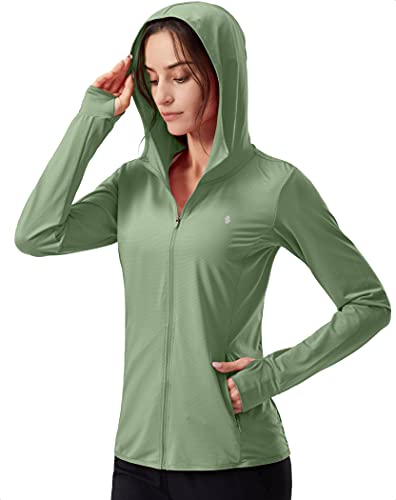
Table of Contents

Quick Answer
For serious thru-hiking, prioritize a sun hoodie with UPF 50+ rating, a mesh-lined hood for ventilation, and a hem cord to seal out bugs. Look for fabrics that balance breathability (like nylon-spandex blends) with durability against brush. While ultralight options under 3oz exist, budget-friendly mid-weight versions offer better abrasion resistance for long-distance trail wear.
Fabric Technology and Breathability
The biggest mistake hikers make is treating sun hoodies like standard base layers. A cotton blend or heavy polyester will trap heat against your skin, turning the garment into a sauna suit once you start climbing. You need fabrics engineered for moisture wicking and rapid drying. In 2026, we are seeing a shift toward recycled nylon blends with elastane (spandex) content of at least 5-10%. This stretch is non-negotiable; it allows the fabric to move with your body during steep ascents without binding.
Look for "open-knit" or mesh paneling under the arms and along the spine. These zones are where heat buildup kills your pace. A good sun hoodie should feel cool to the touch initially, a sensation provided by specialized fiber treatments that dissipate heat away from the body. If you are hiking in humid environments like the Appalachian Trail, prioritize higher mesh coverage. In dry climates like the Sierra Nevada, a tighter weave might actually help retain morning warmth before the sun hits.
Fit, Hood Design, and Ventilation
The hood is the defining feature of this garment, yet it is often an afterthought in design. A sun hoodie must have a structured brim or a stiffened visor to keep the sun off your face and neck without needing a separate hat. More importantly, the hood needs ventilation. Sweat accumulation inside a hood is miserable and leads to chafing. Look for mesh lining on the interior of the hood or small vent holes near the eyes that allow airflow without letting UV rays in.
The fit should be "athletic" rather than "slim." You need room for a hydration bladder tube to pass through if you wear your pack over the hoodie, and enough ease of movement to swing trekking poles without the armpits tearing. The hem must have a drawcord. This isn't just for aesthetics; it seals out mosquitoes and midges when you stop for water breaks. A loose hem is an open invitation for bugs to crawl up your back.
Durability vs. Weight Trade-offs
Ultralight hikers often chase the lowest possible weight, sometimes at the expense of durability. A 2.5oz sun hoodie might save you ounces on your scale, but it will shred against granite scrambles or brushy off-trail sections within a week. I’ve learned that for long-distance hiking, durability is a form of weight savings because you don’t have to carry a backup garment.
Look for reinforced stitching at the shoulders and elbows. These are high-friction zones where your backpack straps and trekking poles rub against the fabric. Some brands use "ripstop" weaves with tiny grid patterns that prevent tears from propagating. When comparing options, check the denier (D) rating of the fabric. A 10D-20D fabric is light but fragile; a 30D-40D fabric offers significantly more abrasion resistance for only a marginal weight increase.
Price Points: Budget to Premium
Sun hoodies range from $30 to $150. The budget tier ($30-$60) often uses generic polyester with basic UPF coating. These work fine for day hikes but tend to lose their UV protection after several washes and may retain odors more quickly. They are great for casual weekend warriors but risky for multi-week expeditions.
The mid-range ($60-$100) is the sweet spot for most thru-hikers. Brands in this tier use proprietary fabrics like Polartec Power Grid or specialized nylon blends that offer better odor resistance and durability. The premium tier ($100+) often includes features like solar charging integration, advanced anti-odor silver ion treatments, or highly breathable mesh panels. For the average hiker, the mid-range offers the best performance-to-weight ratio without paying for marketing hype.
Care and Maintenance for Longevity
Your sun hoodie’s effectiveness depends on its cleanliness. Dirt, oils from your skin, and sunscreen residue can clog the fabric’s pores, reducing breathability and UV protection. Never use fabric softeners; they coat the fibers and ruin moisture-wicking capabilities. Wash in cold water on a gentle cycle and air dry. Tumble drying on high heat can degrade the elastane fibers over time, causing the hoodie to lose its stretch and fit.
If you notice the UPF rating dropping (often indicated by the fabric looking thinner or less opaque), it’s time to replace the garment. No amount of washing will restore lost UV protection. Treat your sun hoodies as consumables on long trails, but with proper care, a quality mid-range hoodie should last at least one full season of heavy use.
Frequently Asked Questions
Do I need a separate hat if I wear a sun hoodie?
If the hoodie has a stiff brim and covers your ears, a hat is redundant. However, many hikers prefer wearing a lightweight bucket hat over the hood for extra face protection and style.
Can I use a sun hoodie as a base layer in winter?
No. Sun hoodies are designed for breathability, not insulation. They will let heat escape rapidly. Use a wool or synthetic fleece base layer instead.
How do I know if the UPF rating is real?
Look for tags that specify "UPF 50+" and mention ASTM testing standards. Vague claims like "sun protection" without a number are often marketing fluff.
Are sun hoodies good for cold weather hiking?
Only as a wind shell in mild conditions. They provide minimal warmth. In cold weather, prioritize windproof and insulated layers over UV protection.
How do I prevent the hood from flapping in the wind?
Most quality sun hoodies have elasticized hoods or drawcords. If yours doesn’t, consider adding a small toggle to tighten the opening around your face.
Choosing the right sun hoodie is about balancing protection with comfort. By prioritizing breathable fabrics, secure hood designs, and durable construction, you can keep the sun and bugs at bay without adding unnecessary weight to your pack. Test your gear on short hikes before committing to a long-distance trail, and always carry a backup layer for changing weather conditions.


