

How To Choose The Right Hiking First Aid Kits 2026
By Ryan Caldwell
On the trail, a first aid kit is not about hoping for the best; it is about mitigating the inevitable. Whether you are navigating the granite slabs of the Sierra or the muddy switchbacks of the Appalachian Trail, blisters, twisted ankles, and allergic reactions don't care about your mileage goals. A well-chosen kit saves time, prevents minor issues from becoming major evacuations, and keeps your group moving efficiently without adding unnecessary bulk to your pack.
Our Top Picks
Affiliate disclosure: if you buy through these links, we may earn a commission at no extra cost to you.
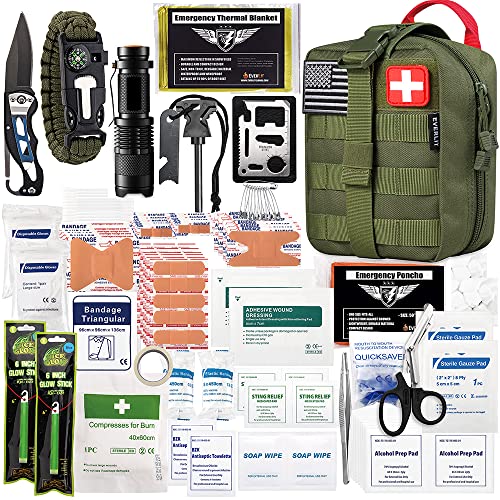
Table of Contents


Quick Answer
To choose the right hiking first aid kit, prioritize a lightweight, waterproof container that holds only the essentials: blister care (moleskin/leukotape), pain relief, antiseptic, and personal medications. For day hikes, aim for under 4 ounces in a ziplock; for multi-day treks, upgrade to a dedicated pouch with splinting materials and prescription meds. Avoid heavy "all-in-one" store-bought boxes—they are full of useless fluff and dead weight.
The Ultralight Philosophy: Less is More
When I started thru-hiking, I carried a bulky plastic box from the pharmacy that weighed nearly a pound. It contained band-aids for paper cuts and iodine swabs I’d never use. On the trail, weight matters not just for comfort, but for endurance. A heavy first aid kit is dead weight until you need it, and if you need it badly enough to open it, every gram counts.
The modern approach to hiking first aid is modular and minimalist. You are not packing for a hospital; you are packing for field stabilization. The goal is to treat the "Big Three" of trail injuries: blisters, sprains, and cuts. If your kit includes items like tweezers for splinters, ibuprofen for inflammation, and moleskin for friction, you have covered 90% of scenarios. Everything else is likely clutter that will just rattle around in your pack.
Assessing Your Risk Profile
Your kit should reflect the environment and your experience level. A solo hiker in a remote wilderness area has different needs than a group hiking on a well-marked trail near town. If you are heading into bear country or areas with dense vegetation, you must include tick removal tools and high-quality antiseptic to prevent infection from bites.
Consider the weather conditions as well. In hot climates, electrolyte packets become part of your medical kit because dehydration mimics other ailments. In cold, wet environments, waterproofing your supplies is critical; a soggy bandage is useless. Also, honestly assess your own physical limitations. If you have asthma, carry your inhaler and an EpiPen if prescribed. No amount of moleskin replaces personal prescription medication.
Essential Components for Every Hiker
Regardless of the trip length, certain items are non-negotiable. First, blister care is king. Leukotape P is superior to moleskin because it doesn't leave adhesive residue on your skin and stays put longer. Pair this with a sterile needle (for draining blisters) and antibiotic ointment. Second, pain management is crucial for keeping morale up when you are in pain; bring both acetaminophen and ibuprofen.
For wound care, include a few sterile gauze pads and medical tape. Avoid the small adhesive bandages found in drugstore kits; they fall off immediately when your skin sweats. Instead, bring duct tape wrapped around a toothpick or a dedicated roll of medical tape—it fixes gear and wounds alike. Finally, do not forget personal medications. If you take daily meds, bring enough for the trip plus a 24-hour buffer.
Container and Organization Strategies
The container dictates the durability of your kit. Cheap plastic boxes crack under the pressure of a packed backpack. I prefer silicone zip-top bags or dedicated dry sacks because they are crush-proof and truly waterproof. For day hikes, a simple quart-sized Ziploc bag works fine if you organize it tightly. For longer trips, invest in a small, soft-sided pouch that can be accessed quickly without dumping your entire pack.
Organization is key. Use small pill organizers or reusable silicone bags to separate items. You do not want to fumble for tweezers while trying to clean a deep cut. Labeling your containers with a permanent marker helps, especially if you share gear with hiking partners. Ensure that your container is compact enough to fit in an hip belt pocket or a side mesh water bottle pocket for rapid access.
Maintenance and Trail Readiness
A first aid kit is only good if it works when you need it. Check your supplies every six months. Expired medication loses potency, and adhesive tapes dry out over time. Replace any items that look damaged or are past their expiration date. If you use the kit on a trip, restock it immediately upon returning home. A depleted kit is worse than no kit because it gives you a false sense of security.
Practice using your gear before you hit the trail. Know where the needle is for draining blisters. Know how to wrap a sprained ankle with the elastic bandage included. Familiarity reduces panic in an emergency. If you are hiking with others, ensure everyone knows where the kit is and how to use it. Gear sharing on the trail is common, but medical knowledge is not.
Frequently Asked Questions
Do I need a tourniquet in my hiking first aid kit?
For most recreational hikers, no. Tourniquets are for life-threatening arterial bleeding and require training to use correctly. If you are backpacking in remote areas, consider learning how to use one and carrying a CAT tourniquet, but for standard trails, pressure bandages are sufficient.
How do I keep my first aid kit waterproof?
Use a dedicated dry bag or a heavy-duty silicone zip-top bag. Double-bagging critical items like medications and blister care in smaller bags inside your main container adds an extra layer of protection against leaks.
What is the lightest first aid kit I can carry?
The lightest viable kit consists of a few strips of Leukotape P, a small tube of antibiotic ointment, and two pain relievers. This can weigh under 2 ounces if packed efficiently in a small bag.
Should I carry tweezers?
Yes. Tick removal and splinter extraction are common trail tasks. Metal tweezers are durable and lightweight. Avoid plastic ones as they break easily under tension.
How often should I replace my first aid supplies?
Check your kit every six months. Replace expired medications, dried-out adhesives, and any items that have been exposed to extreme heat or moisture.
Is a multi-tool better than just carrying medical supplies?
A multi-tool is excellent for gear repair and general utility, but it does not replace medical supplies. Carry both. The tool helps you fix your pack so you can get home; the medical kit helps you treat your body.
Choosing the right first aid kit is about balancing preparedness with pack weight. By focusing on essential, high-utility items and organizing them in a durable, waterproof container, you ensure that you are ready for whatever the trail throws at you. Start with the basics, test your kit on short hikes, and refine it based on your personal needs and experiences. Stay safe out there.


