

How To Choose The Right Hiking Daypacks 2026
To choose the right daypack, prioritize a torso-length fit that matches your body geometry over total volume. For most thru-hikers and trail runners, a 15-20 liter pack with a breathable back panel and minimal features offers the best balance of weight and utility. If you carry heavy camera gear or winter layers, step up to 25 liters with robust load lifters, but always aim for an empty weight under 1lb (450g) if possible.
Our Top Picks
Affiliate disclosure: if you buy through these links, we may earn a commission at no extra cost to you.

Table of Contents
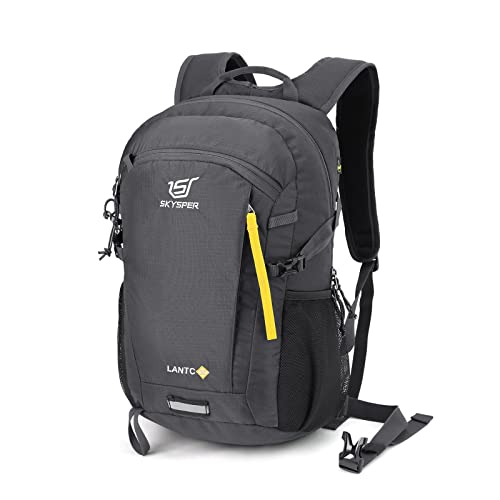

Quick Answer
Why Daypack Volume Matters More Than Brand
When I’m out on the trail, whether I’m scouting a new route for a camping tent review or just doing a fast-and-light day hike, my pack volume dictates what I can realistically carry. A common mistake beginners make is buying a 30-liter pack for day use. It sounds spacious until you realize it lacks the structural integrity to hold its shape when empty, flapping against your back and causing chafing.
For standard day hikes involving water, food, and a rain jacket, 20 liters is the sweet spot. It allows for room to layer up if weather turns without adding unnecessary bulk. If you are trail running or hiking in hot conditions where you only need 1 liter of water and a snack, drop down to 10-15 liters. The less material on your back, the cooler you stay.
I’ve tested packs across all price points, from budget options like REI’s Flash series to premium ultralight brands like Hyperlite Mountain Gear. The volume rating is often misleading; a "20L" pack from one brand might fit like a 15L from another due to internal frame geometry. Always check the cubic liter capacity and the empty weight, not just the marketing number.
The Torso Fit: Measuring Your Frame
Even the lightest 15-liter pack will fail if it doesn't fit your torso. Unlike sleeping bags, daypacks are not one-size-fits-all. The key measurement is your "torso length," which is the distance from your C7 vertebra (the bony bump at the base of your neck) to your iliac crest (the top of your hip bone). This determines whether you need a Small, Medium, or Large frame.
A pack that is too long will dig into your lower back, while one that is too short will pull on your shoulders, transferring the weight entirely to your clavicles. In my experience, proper load lifters are critical here. These straps connect the top of the pack to the shoulder harness; tightening them pulls the load closer to your center of gravity, stabilizing the bag during technical scrambling.
When testing gear for this blog, I always check the sternum strap position. If it sits too high or too low relative to my armpits, the pack is likely the wrong torso size for me, regardless of how light it is. A good fit should feel like an extension of your body, not a burden.
Weight vs. Durability: The Ultralight Trade-off
In the ultralight community, we obsess over "base weight." For daypacks, this means the empty weight of the bag itself. Every ounce counts when you are logging 20 miles a day on rocky terrain. Traditional hiking packs often weigh 2-3 lbs due to heavy frames and thick padding. Modern ultralight daypacks can achieve sub-1lb weights using silnylon or Dyneema composite fabrics.
However, durability is the trade-off. A $80 nylon pack might last five years of abuse, while a $200 Dyneema pack might cost you an extra $120 but save 12 ounces and offer superior weather resistance. For most hikers, I recommend a hybrid approach: use a lightweight pack with reinforced stress points (where straps attach to the body) rather than a fully ultralight bag that tears on the first bushwhack.
I’ve seen countless packs fail at the hip belt stitching after just a few months of heavy loads. If you plan to carry more than 10 lbs, avoid "sling-style" or frameless packs unless they have robust webbing anchors. For lighter loads under 5 lbs, frameless designs are perfectly adequate and significantly lighter.
Essential Features for Real-World Trail Use
Features should be functional, not decorative. When evaluating daypacks, I look for three specific elements: a breathable back panel, accessible water bottle pockets, and a secure lid or top pocket. The best hiking daypack for day hiking should make daypack capacity easy to judge, keep a hydration sleeve or bottle system reachable, and ride like a stable trail pack instead of a loose gym bag.
A mesh back panel is non-negotiable in humid climates. It allows air to circulate between your pack and your spine, reducing sweat buildup. In dry, cold environments, a closed-cell foam backer might be preferred for insulation, but for general use, mesh wins on comfort.
Water bottle pockets must be accessible while wearing the pack. I’ve tested packs where the pockets are so tight that removing a full Nalgene requires taking the pack off entirely—a dealbreaker on a hot day. Look for elasticized openings that grip the bottle but allow easy extraction.
Finally, consider your navigation tools. If you use a tablet or large phone for GPS navigation, ensure the main compartment has enough depth and a dedicated sleeve to protect it from impacts. Many ultralight packs lack internal organization, forcing you to dig through gear to find your map case.
Budget vs. Premium: Where to Spend Your Money
You don't need to spend $300 to get a good daypack. Brands like Osprey, Deuter, and REI Co-op offer excellent entry-level packs that perform well for the price. These packs often use heavier materials but provide superior warranty services and ergonomic adjustments.
Premium brands like Granite Gear, Hyperlite Mountain Gear, or Six Moon Designs focus on weight reduction and waterproofness (via DWR coatings or roll-top designs). If you are a thru-hiker counting every gram, the premium price is justified. However, for casual weekend warriors, the budget options provide 90% of the functionality at half the cost.
I always advise checking the used gear market first. Daypacks rarely suffer from internal foam compression like sleeping bags do, so a lightly used pack from a reputable brand is often a smarter financial move than buying new.
Frequently Asked Questions
What is the ideal daypack size for trail running?
For trail running, aim for 5-10 liters. You need enough room for a vest-style hydration bladder, a wind jacket, and emergency supplies, but minimal bulk to prevent bouncing.
Do I need hip belts on a daypack?
If you are carrying less than 10 lbs, a hip belt is unnecessary and adds weight. For loads over 10 lbs, a hip belt helps transfer weight to your hips, reducing shoulder strain.
How do I clean my daypack?
Hand wash with mild soap and cold water. Never machine dry, as heat can degrade the adhesive on mesh panels and waterproof coatings. Air dry in the shade.
Can I use a daypack for multi-day trips?
Not ideally. Daypacks lack the frame support and volume needed for multi-day loads. Using one for extended trips will lead to back pain and inefficient packing.
What is the difference between a daypack and a rucksack?
A rucksack typically implies a heavier, more military-style pack with rigid frames, while a daypack is designed for lighter, shorter durations. The terms are often used interchangeably in modern hiking.
Choosing the right daypack is about balancing your specific needs—weight, volume, and durability—against your budget. Start by measuring your torso and assessing your typical load weight. Once you find a pack that fits well, stick with it until the straps or fabric fail. Happy trails.


