

How To Choose The Right Hiking Gloves 2026
By Ryan Caldwell
We spend thousands of hours obsessing over the gram-count of our trekking poles, the fill-power of our sleeping bags, and the breathability of our rain jackets, yet we often leave our hands to freeze or blister on the trail. Hands are the control center for your entire hiking experience; if they go numb, you can’t adjust your pack straps, you can’t filter water efficiently, and you certainly can’t set up camp before dark. Choosing the right gloves isn't about fashion—it’s about maintaining dexterity and thermal regulation when the temperature drops below freezing or when you’re scrambling over wet granite.
Our Top Picks
Affiliate disclosure: if you buy through these links, we may earn a commission at no extra cost to you.

Table of Contents

Quick Answer
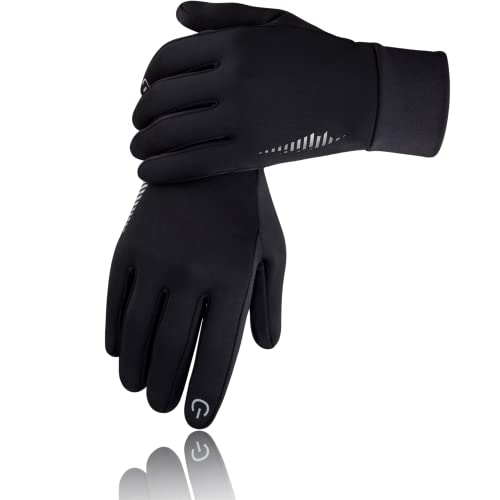
For most thru-hikers, a two-glove system is essential: a lightweight, packable liner glove (like silk or thin merino) for dexterity and blister prevention during the day, and an insulated shell glove rated for your coldest expected temperatures for camp and early mornings. Prioritize gloves with a durable palm patch (leather or synthetic) for trekking pole grip, and ensure they have a secure wrist closure to prevent snow ingress.
The Two-Glove System Strategy
In my years of hiking from the AT to the PCT, I’ve learned that carrying one pair of heavy mittens is a mistake. You need versatility. The most effective setup involves a "layering" approach for your hands. During active hiking, your hands generate significant heat. A single pair of thick gloves will cause your palms to sweat, leading to maceration and blisters when you stop. Instead, carry a thin liner glove that allows you to maintain grip on your trekking poles while wicking moisture away from the skin.
The second layer is your insulation glove. This is what you pull out at camp to cook dinner, navigate with your map, or hike in the freezing pre-dawn hours. By separating these functions, you manage your packed weight more effectively than carrying one pair of "do-it-all" gloves that are either too hot for hiking or too thin for warmth. The liner provides the dexterity needed for zippers and buckles, while the shell provides the thermal mass to keep blood flowing to your extremities.
Material Matters: Merino vs. Synthetics
When selecting your liners and shells, the material dictates the performance. Merino wool is the gold standard for hiking gloves because it retains thermal properties even when wet. Unlike cotton, which becomes a death trap in cold conditions, merino keeps you warm if you drop them in a stream or sweat through them. Look for gloves with a high percentage of merino (at least 60-70%) blended with nylon or elastane for durability and stretch.
Synthetic materials like polyester or acrylic are excellent budget alternatives. They dry faster than wool and are generally more durable against abrasion, which is crucial if you’re using them for scrambling or handling rough rock faces. However, synthetics tend to hold odors more quickly on long thru-hikes. If you choose synthetic liners, plan to wash them in your sink every few days with a bit of soap to keep the bacteria at bay.
Dexterity and Grip for Trekking Poles
If you use trekking poles, glove fit is critical. You need enough bulk to protect your palms from vibration and blisters, but not so much that you lose tactile feedback. When testing gloves, make a fist and then try to pinch your thumb and index finger together. If you can’t pinch, the gloves are too bulky for precise tasks like adjusting a hydration tube or tying a knot.
Pay close attention to the palm material. For pole users, a silicone grip patch or a leather palm is non-negotiable. It prevents the glove from sliding on the pole handle when your hands get sweaty and protects the thin fabric of the liner from wearing through against the carbon fiber or aluminum ferrules. Without this reinforcement, you’ll find yourself with holes in your palms within a week of heavy pole use.
Insulation Levels and Weather Performance
Not all insulation is created equal. For temperatures above 30°F (-1°C), a fleece-lined shell or a heavy merino glove is sufficient. However, for sub-freezing conditions, look for gloves with synthetic insulation like PrimaLoft or Thinsulate. These materials mimic the structure of down but perform much better in wet environments. Down gloves are incredibly warm for their weight but are useless once they get wet, making them risky for general hiking unless you have a waterproof dry bag.
Weather performance also depends on the outer shell. If you’re hiking in rain or snow, your insulation gloves need a DWR (Durable Water Repellent) coating or a waterproof membrane like Gore-Tex. However, be wary of fully waterproof gloves for active use; they trap sweat just as effectively as they keep rain out. A water-resistant shell that breathes is often better than a waterproof one that steams your hands.
Durability and Trail Wear
Hiking gloves take a beating. You’re constantly touching wet rocks, sticky tree sap, rough tent poles, and abrasive pack straps. Check the reinforcement on the fingertips and the palm. Cheap gloves often have thin fabric here that will shred quickly. Look for "knuckle protection" panels or double-layered palms if you plan on scrambling over boulders or using your hands for balance frequently.
Seam placement is another durability factor. Flat-lock seams are superior because they reduce friction points that can lead to blisters on the back of the hand. Also, inspect the stitching around the thumb gusset; this is a high-stress area where gloves often split open. Reinforced stitching here will significantly extend the life of your gear.
Budget vs. Ultralight Options
You don’t need to spend $50+ on gloves to stay warm. For budget-conscious hikers, basic merino liners from brands like Decathlon or generic outdoor suppliers offer 90% of the performance of name brands for half the price. The key is to buy them in bulk so you have spares when one pair inevitably gets lost or worn out.
On the ultralight end, silk liners are the ultimate weight-saver, weighing less than an ounce per pair. They pack down to the size of a marble and provide decent warmth for their weight. However, they lack durability and grip. Use silk liners only if you are strictly minimizing weight and plan to carry a separate pair of durable wool gloves for camp use. For most hikers, a single pair of mid-weight merino/synthetic blend gloves offers the best balance of weight, warmth, and packability.
Frequently Asked Questions
Do I need waterproof gloves for hiking?
Generally, no. Waterproof gloves trap sweat, which can make your hands colder. It is better to wear a water-resistant shell over a merino liner that can handle moisture. Only use fully waterproof gloves if you are working in wet conditions for extended periods.
Can I use running gloves for hiking?
Yes, lightweight running gloves are excellent as liners. They offer great dexterity and breathability. However, they usually lack the insulation and palm durability needed for camp chores or cold-weather trekking, so pair them with an insulated shell.
How do I keep gloves from getting lost?
Always clip your gloves to your pack using carabiners or a dedicated glove loop when you take them off. Alternatively, use gloves with a wrist strap or loop that connects the two fingers together. Never leave gloves lying on a table at a hostel or campsite.
What is the best material for sweaty hands?
Synthetic blends (polyester/nylon) dry the fastest and wick moisture most aggressively. Merino wool is also excellent but can feel damp longer than synthetics. Avoid cotton at all costs.
Should I buy men’s or women’s gloves?
Fit is more important than gender labeling. Women’s hands are typically narrower with shorter fingers. Try them on with your trekking pole in hand; if the material bunches excessively at the knuckles, the glove is too wide. If it pulls tight across the back of the hand, it’s too narrow.
How should I store my gloves to maintain insulation?
Never store insulated gloves compressed in a stuff sack for long periods. This crushes the loft of the insulation (especially PrimaLoft or down), reducing its warmth. Store them loose in your pack or at home.
Conclusion
Choosing the right hiking gloves comes down to balancing dexterity, warmth, and durability based on your specific trail conditions. By adopting a two-glove system—lightweight liners for active hiking and insulated shells for camp—you ensure your hands stay functional and warm without adding unnecessary bulk to your pack. Test your gear before you hit the trail, ensuring your trekking pole grip is secure and your cuffs seal out the elements. Your hands are your most valuable tools on the trail; treat them with the same care as your boots and tent.


