

How To Choose The Right Hiking Sun Hats 2026
By Ryan Caldwell
Your head is one of the most vulnerable points on your body when you are exposed to high-altitude UV radiation and relentless heat. I have watched plenty of hikers suffer through heat exhaustion or blistering sunburns simply because they prioritized aesthetics over ventilation and UPF ratings. A good hat isn't just an accessory; it is critical life-support gear that regulates your core temperature and protects your skin during long days on the trail.
Our Top Picks
Affiliate disclosure: if you buy through these links, we may earn a commission at no extra cost to you.
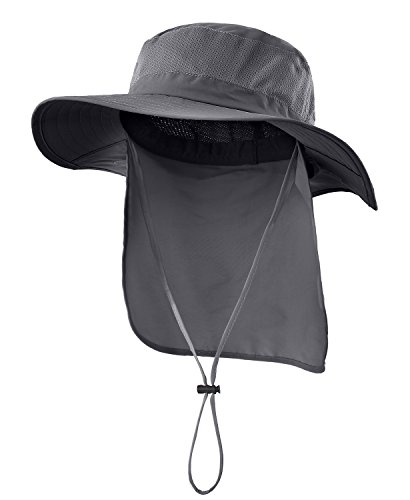
Table of Contents


Quick Answer
To choose the right hiking sun hat, prioritize a wide brim (minimum 3 inches) for neck coverage, a UPF 50+ rating for UV protection, and breathable mesh panels to prevent overheating. For ultralight backpacking, opt for packable nylon with a chin cord; for budget-conscious trekkers, cotton blends offer comfort but lack durability in wet conditions.
Brim Geometry and Coverage
The most common mistake I see on the trail is choosing a hat with a brim that is too short or floppy. When you are hiking with a loaded backpack, your shoulders roll forward, which can cause a floppy brim to curl inward, blocking your peripheral vision. You need a structured brim, ideally made of stiffened nylon or plastic reinforcement, that maintains its shape even when wet. A minimum 3-inch brim all the way around is non-negotiable for protecting your face and ears, while an extended back flap (often called a "neck drape") is essential for shielding your neck from the sun's glare.
Consider the terrain you are traversing. In dense forest, a shorter brim might prevent branches from snagging on your hat as you push through brush. However, in alpine zones or open desert where UV exposure is direct and unfiltered, maximum surface area coverage is your best defense against heatstroke. I always carry a hat with a rigid front brim for visibility and a flexible rear drape that can be tucked under the pack strap when not needed.
Material Science: Breathability vs. Durability
Not all fabrics are created equal when it comes to sweat management. Synthetic materials like nylon and polyester are the gold standard for thru-hiking because they wick moisture away from your scalp and dry rapidly if you get caught in rain or drench yourself with sweat. Look for fabrics with mesh ventilation panels on the sides or top of the crown. These panels allow hot air to escape, creating a convection current that cools your head without sacrificing UV protection.
Avoid cotton hats entirely for serious hiking. While they feel soft initially, cotton absorbs moisture, becomes heavy, and takes forever to dry. In humid environments, a cotton hat will stay wet against your skin, leading to chafing and potential fungal issues. For durability, check the stitching at the brim attachment points; this is where most hats fail after months of use in rocky terrain like the Rockies or the Appalachian Trail.
The Ultralight vs. Budget Trade-off
In the ultralight community, every ounce counts. A high-end ultralight sun hat, such as those made by brands like Outdoor Research or Black Diamond, often weighs between 2 to 3 ounces. These hats use advanced ripstop nylon that is incredibly strong for its weight and can be compressed into a tiny stuff-sack. They are expensive, often costing $40-$60, but they offer superior packability and durability against abrasion from backpack straps.
For those on a strict budget, you can find functional sun hats at outdoor retailers for under $20. These heavier options (often 5-7 ounces) might be made of thicker cotton-poly blends or standard polyester. They are less packable and provide slightly less ventilation, but they get the job done. If you are car camping or doing day hikes where weight is not a concern, a budget-friendly option with good UPF ratings is perfectly adequate. Just be aware that cheaper hats often lack reinforced eyelets for chin cords.
Fit, Chin Cords, and Sweat Management
A sun hat that flies off at the first gust of wind on a ridge line is useless. A secure fit is paramount. Look for hats with an adjustable chin cord that has a locking mechanism (like a toggle or buckle) rather than just a simple knot. This allows you to tighten the hat securely without it slipping down your forehead as you sweat. The interior band should be made of a soft, absorbent material like terry cloth or silicone grip tape to keep the hat in place and soak up perspiration.
Sweat management is critical for comfort. If you are prone to heavy sweating, choose a hat with a dedicated sweatband loop or an integrated moisture-wicking liner. This prevents salty sweat from dripping into your eyes, which causes stinging and blurred vision—a dangerous distraction when navigating technical terrain or crossing streams.
Hat Care and Longevity
Your sun hat will take a beating from salt, sunscreen, and UV radiation. Over time, these elements break down the fibers and reduce the UPF rating. To extend the life of your hat, hand wash it occasionally in cold water with a mild detergent to remove body oils and sunscreen residue. Never put your hat in the dryer; the heat will shrink the fabric and melt any glued brim reinforcements.
Inspect your hat regularly for signs of wear, particularly around the sweatband where salt accumulates. If the mesh panels start to tear or the brim loses its structural integrity, it is time to replace it. A compromised hat offers little protection against the sun, which can lead to severe burns and heat-related illnesses that end your trip prematurely.
Frequently Asked Questions
What is the best UPF rating for hiking?
Aim for UPF 50+, which blocks 98% of UV rays. This is the standard for outdoor gear and provides maximum protection during long exposure days.
Can I use a baseball cap for hiking?
Generally, no. Baseball caps leave your ears, neck, and the back of your head exposed to the sun. A wide-brimmed hat is far superior for full-body protection.
How do I keep my hat from blowing away in wind?
Use a chin cord with a secure toggle. If your hat doesn't have one, you can buy aftermarket elastic cords or use paracord to create a custom fit.
Is it better to wear a hat under a hood?
Yes, wearing a lightweight sun hat under a rain jacket hood provides double protection and keeps the hood from sticking to your sweaty forehead.
How do I clean sunscreen out of my hat?
Sunscreen oils degrade fabric over time. Hand wash your hat with a technical gear cleaner or mild soap every few weeks to preserve the UPF rating and fabric integrity.
What is the lightest sun hat I can carry?
Ultralight nylon hats with mesh panels can weigh as little as 1.5 ounces, but they offer less durability than standard 3-ounce options.
Choosing the right sun hat is a simple decision that yields massive rewards in comfort and safety. By prioritizing brim structure, breathable materials, and secure fit, you ensure that your head stays cool and protected regardless of the trail conditions. Before your next hike, inspect your current gear for wear and tear, and invest in a hat that matches your specific weight and budget needs.


