

How To Pick Lightweight Trekking Poles
Carbon fiber poles are the lightest option, typically 6-8 oz per pole (12-16 oz per pair). Aluminum poles add heft, usually 9-12 oz per pole (18-24 oz per pair), but they’re cheaper and tougher for rocky trails. In wet weather, the lighter carbon setup helps keep total pack weight down for long days, though a hard impact can nick or crack carbon shafts more easily than aluminum. Trail durability matters too: carbon resists flexing, but a severe strike can crack a shaft; aluminum will bend or dent but is generally easier to repair on the go. Price-wise, carbon ultralight sets commonly run $120-250 per pair, while aluminum sets are typically $60-120 per pair.
Table of Contents
Our Top Picks
Affiliate disclosure: if you buy through these links, we may earn a commission at no extra cost to you.

Factors to Consider
Material and Weight
Locking System and Adjustability
Locking mechanisms fall into flick-lock and twist-lock designs. In wet weather and when you’re wearing gloves, flick-locks tend to be quicker and more reliable, while twist-locks can creep or seize if grit gets into the threads. Both add only a small amount of weight, but more moving parts mean more potential maintenance on long trips. For durability, choose a model with solid clamps and a simple maintenance routine, and carry a small wrench or spare parts if your system requires it.
Grips, Straps, and Comfort
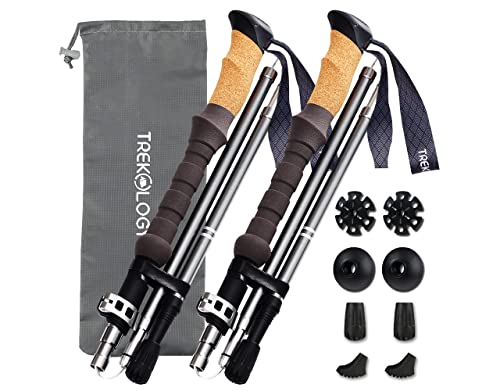
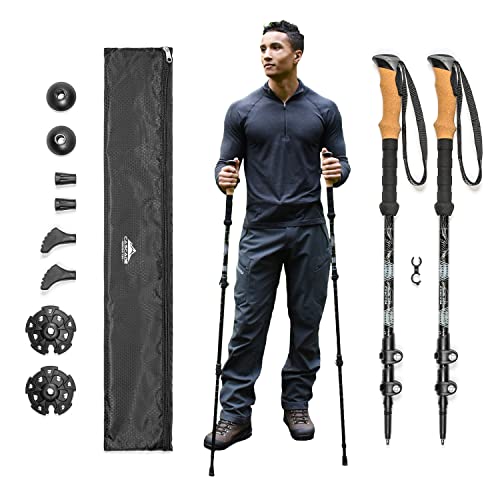
Grip material and shape influence comfort in damp conditions and during long descents. Foam grips dry quickly and stay lightweight, but can feel slick when wet; cork grips stay comfortable longer and handle moisture well but cost a bit more. For weather performance, make sure the grip shape fits your hands and that the strap works well with gloves so you don’t grip too tightly in cold or wet weather. Good, reliable grips reduce hand fatigue, which keeps you stable on rough trail surfaces.
Length Range and Packability
Most trekking poles adjust from roughly 60-140 cm, with foldable or segmented designs offering shorter collapsed lengths for easy packing. Longer length helps on steep ascents and comfort on rapid descents; shorter collapsed length makes refilling tiny pack spaces easier on long thru-hikes. In wintry or windy weather, you’ll appreciate quick adjustments to shorten for brace and stability, but ensure the locking mechanism holds under cold temperatures. Consider how many segments you’re willing to manage in your pack—more sections usually mean a bit more weight and more potential snag points, but smaller packs help on longer trips.
Durability, Maintenance, and Value
Durability varies by material and construction, so read warranty details and understand what happens after a hard fall. Budget aluminum options are surprisingly resilient if you’re careful with rocky trails and keep the tips swapped out; premium carbon sets offer weight savings but require careful handling in rough weather. Maintenance pays off: clean the joints after wet sections, dry thoroughly, and inspect tips and baskets for wear before long trips. In terms of value, weigh the saved packed weight against cost and expected trip length—ultralight gear saves weight but may cost more upfront, whereas budget options are heavier but kinder to your wallet.
Frequently Asked Questions
What material should I choose for lightweight trekking poles?
Carbon fiber is generally the lightest and offers the best stiffness-to-weight ratio, which helps with weather performance on long days. Aluminum is cheaper and tougher in rocky, rugged weather, and it’s easier to repair in the field. In field tests, carbon saves weight but can be more susceptible to impact damage, while aluminum resists bending and is often the more durable bet under rough trail conditions.
How long should trekking poles be for a hiker of my height?
Set the poles so that your elbows bend about 90 degrees when the poles are standing on the ground with tips touching. When going uphill, you’ll lengthen them slightly; on descents, you’ll shorten slightly for stability. A good rule of thumb is a comfortable, steady arm position for long days, which also helps reduce shoulder strain in poor weather and on rough terrain.
3-section vs 4-section vs folding poles—which is best?
3- or 4-section telescoping poles are common and offer solid reliability with lighter joints; folding poles can roll down to a shorter packed length but often carry a bit more weight and price. More sections mean more potential points of failure and more maintenance in wet weather, but they pack smaller. In field tests, hikers frequently prefer 3- or 4-section poles for a good balance of weight, durability, and packability, while folding designs appeal to ultralight purists who accept a bit of extra cost and complexity.
Are flick-locks or twist-locks better in wet weather?
Flick-locks usually perform better in rain and when wearing gloves due to faster, more reliable clamping. Twist-locks can slip or seize if grit stays in the threads, especially after exposure to mud or frequent use in wet conditions. Regardless of the system, keep the joints clean and dry, and check tension before each long day on trail.
Are trekking poles worth the price, especially for a budget hike?
Yes, for most hikers, poles offer knee and shoulder relief on long descents, plus better stability in variable weather. Research and field testing show that even budget aluminum poles can provide reliable support if maintained, whereas premium carbon poles offer weight savings but at a higher upfront cost. If you’re budget-conscious and main concern is pack weight, aluminum with a solid grip and reliable locks can be the sweet spot.
How should I maintain trekking poles to extend their life?
Rinse and dry the joints after wet sections, inspect tips and baskets for wear, and replace worn ferrules or tips before they fail. Keep the locking mechanism clean and lightly lubricated if the manufacturer recommends, and store the poles collapsed in a dry place. Regular maintenance reduces the chance of sticking, slipping on rough weather, and sudden failure on rocky trails.
What should I consider when choosing budget vs ultralight options?
Ultralight carbon poles save significant pack weight but come at a premium and may require gentler handling in rugged weather. Budget aluminum poles are heavier but typically endure harsher trail abuse and cost less upfront. Field tests show many hikers successfully complete multi-day trips with mid-range carbon or high-quality aluminum, so pick the balance that fits your tolerance for weight, weather risk, and wallet.
Conclusion
Choosing lightweight trekking poles is about balancing pack weight, weather resilience, and trail durability within your budget. For most thru-hikers, a mid-range carbon fiber set with a reliable locking system and comfortable grip offers the best mix of weight savings and field reliability, though sturdy aluminum options remain a solid value pick on rough terrain. Pick a setup that you can trust for long days, wet descents, and the inevitable rocky stretches you’ll encounter on the trail.


