

How To Pick Trekking Poles
Packed weight is a real driver on long days; lighter poles reduce arm fatigue on descents and climbs. Carbon fiber models are typically lighter, keeping a full pair under roughly 500 g, while aluminum pairs push toward 600-700 g. Durability and price trade-offs are material-driven: aluminum resists rock dings and is cheaper, while carbon handles weather better but can be harsher on impact. In wet or icy weather, choose a pole with proven locking and replaceable tips to maintain trail durability.
Table of Contents
Our Top Picks
Affiliate disclosure: if you buy through these links, we may earn a commission at no extra cost to you.

Factors to Consider
Weight, Material, and Packability
Locking Mechanisms and Adjustability
Locking reliability is the hidden workhorse of trekking poles; a stable system saves energy as you traverse rough trails. Weight-wise, flick-locks tend to add a few grams per pole but pay off with quick, glove-friendly adjustments that stay put in cold rain; twist-locks can be lighter but require maintenance to prevent slip. Weather performance matters: in wet weather, a secure lock that won’t creep is crucial for keeping your stance on slippery granite. For trail durability, look for robust locking collars and sealed joints that resist grit and freeze-thaw.
Grips, Straps, and Comfort
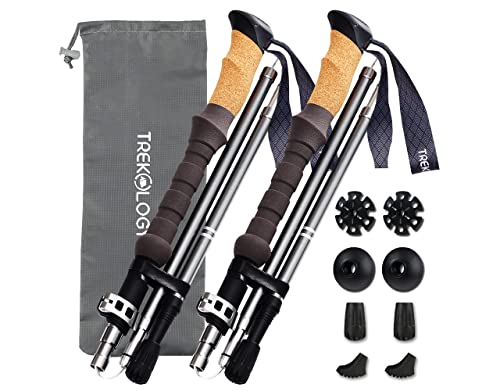
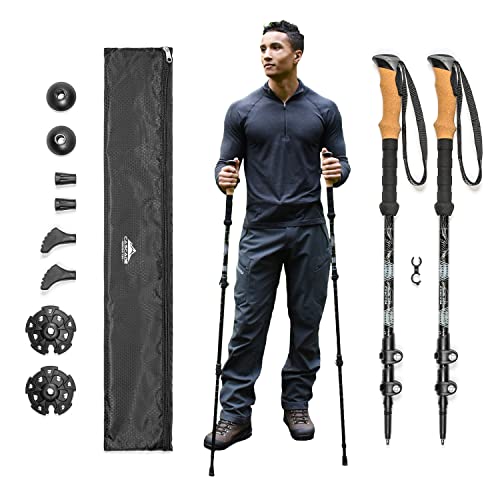
Comfortable grips and adjustable straps pay dividends after miles on the trail; moisture management matters in all-weather use. Cork grips perform well in heat and dry quickly, foam grips stay comfy in damp weather but absorb moisture more than cork. For weather performance, ensure straps dry quickly and grips stay grippy when the ground is wet or icy. For trail durability, look for replaceable grips and durable strap anchors that survive rough trail abuse over seasons.
Length, Adjustability, and Terrain Adaptation
Starting length should keep your elbow near 90 degrees with the tip touching the ground to minimize energy drain. Telescoping poles give smooth, inline length changes, but folding models can collapse smaller and stay reliable with well-sealed joints; price and weight vary accordingly. For weather and terrain, ensure the range supports long descents and steep climbs without binding, or you lose leverage on slick sections. Proper length helps maintain trail durability by keeping your wrists aligned and reducing wobble on rough rock.
Price, Durability, and Warranty
Budget kits are tempting, but weight and durability take a hit; aluminum poles at the entry level are cheap but heavier and less resilient in long trips. Mid-range options generally balance weight, grip comfort, and reliable locking systems for typical hiking seasons and variable weather, making them a solid all-around choice. Ultralight carbon options deliver pack-weight savings but can demand gentler handling and higher replacement costs if you smash them on rocks, so look for replaceable tips and a strong warranty. Even at any price, check tip material and lock design since those parts take the worst weather and trail punishment.
Frequently Asked Questions
What length should trekking poles be for my height and terrain?
Most hikers set trekking poles so your elbow forms about a 90-degree angle when the tip is on the ground. Field tests across a range of heights suggest this positioning provides the best leverage on climbs and control on descents. Lengths typically scale with height, but always test with your full pack and boots to confirm fit in mixed terrain and weather.
Carbon fiber vs aluminum: which should I buy?
Carbon fiber poles are lighter, which reduces fatigue on long days and improves weather performance by trimming overall pack weight. Aluminum models are tougher on rocks, weather-resistant at a lower price, and often easier to repair, which helps trail durability in remote areas. In budget planning, mid-range options often balance weight and durability, while ultralight carbon tends to cost more but saves grams on the trail.
Folding poles vs telescoping: which is better?
Folding poles collapse smaller for tight pack space and can be very close in weight to telescoping rivals, aiding overall packability on longer trips. Telescoping designs usually offer quicker length changes and fewer moving joints, which can improve reliability in rough weather; folding poles add more joints that can fail if abused. In terms of weather performance and trail durability, choose based on your tolerance for maintenance versus pack efficiency, and test locks and tips before buying.
How should I adjust pole length for ascents and descents?
Short answer: lengthen on climbs to increase leverage and shorten on descents for control. Field testing shows tweaking length in small increments yields the best balance between energy conservation and stability in variable weather. Always re-check lock integrity after a major adjustment to avoid sudden collapse on slick slopes.
Do trekking poles help with weather conditions like rain or ice?
Yes, they add stability in wet weather and reduce slip on wet rocks; carbide tips grip ice and slick surfaces better than plain steel tips. Research and field tests indicate that poles with replaceable carbide tips and a reliable lock system significantly improve traction on wet or icy surfaces. For winter use, consider dedicated ice tips and shorter poles to keep leverage up on a snowy crust.
What features matter most on a budget option?
Key budget-friendly features are a reliable locking mechanism, replaceable tips, and a grip that doesn’t soak up water in damp weather. Field data shows that cheap locking collars can creep or seize after heavy use, so prioritize models with proven durability and easy maintenance. If possible, choose aluminum over carbon in a strict budget to maximize trail durability and weather resilience.
How should I maintain trekking poles to extend life?
Keep the locks clean and dry after use; a quick rinse and light lubrication of metal threads helps prevent creep. Field-tested maintenance routines recommend wiping grit from joints and inspecting tips for wear to prevent failure in rough weather. Store poles disassembled in a dry place and replace worn components (tips, grips) before a long trip to maintain performance in challenging weather and terrain.
Conclusion
With the right trekking poles, you’ll notice the difference in every mile—especially on rough weather days and long ascents. For most hikers, a mid-range carbon telescoping pole with a reliable lock and replaceable tips offers the best balance of packed weight, weather performance, and trail durability. Start there, and you can dial in further with folding or budget aluminum models as your trips demand.


