

How To Choose The Right Hiking Trekking Towels 2026
Author: Ryan Caldwell
We obsess over gram-counts for our sleeping pads and obsessively pack our ultralight stoves, yet we often drag around a cotton hand towel that weighs as much as a brick and takes all afternoon to dry. In the backcountry, a bad towel isn't just an inconvenience; it is a breeding ground for bacteria, a source of chafing, and a significant weight penalty if you get it wet. Choosing the right one requires balancing absorbency against drying speed and pack volume.
Our Top Picks
Affiliate disclosure: if you buy through these links, we may earn a commission at no extra cost to you.
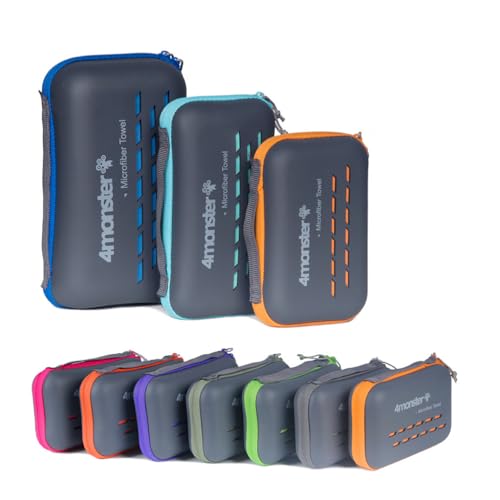
Table of Contents


Quick Answer
For most thru-hikers, a microfiber towel with a GSM (grams per square meter) between 150 and 200 offers the best balance of packability and drying speed. Avoid cotton entirely; look for towels made from recycled PET or polyester blends that offer quick-dry capabilities under two hours in direct sun. If you are strictly ultralight, consider a bandana-style towel (under 1oz), but if you prioritize hygiene and comfort after a river crossing, a full-size microfiber towel (3-4oz) is worth the extra weight.
Material Science: Microfiber vs. Bamboo vs. Cotton
The first rule of the trail is simple: never pack cotton. Cotton absorbs water like a sponge but holds onto it tenaciously, meaning your towel will remain damp for days in humid conditions. This leads to mildew smells that no amount of airing out can fix, and worse, it adds significant weight when saturated. For modern hiking, synthetic microfiber is the gold standard. It is engineered with split fibers that create capillary action, pulling moisture away from your skin rapidly.
You will often see "bamboo" towels marketed as eco-friendly. While they feel luxurious and soft against the skin in a hotel room, bamboo viscose is generally heavier and slower to dry than high-quality polyester microfiber. On a long-distance hike where every ounce counts and drying time determines your comfort level at camp, synthetic performance beats natural softness. However, if you are car camping or doing short day hikes where weight is less critical, bamboo offers a nice middle ground for those sensitive to the "plastic" feel of synthetics.
The GSM Factor: Weight vs. Absorbency
GSM stands for Grams per Square Meter. This number tells you how dense the fabric is and, consequently, how heavy and absorbent the towel will be. For backpacking, you want to stay in the low-to-mid range. A GSM of 100-150 is extremely light and packs down tiny, but it feels thin and may not feel "absorbent" enough for a full body dry-down after a hot day on the trail.
The sweet spot for most hikers is between 180 and 220 GSM. This density provides enough fabric to soak up sweat and river water without feeling like you are wiping yourself with a thin sheet of plastic. However, if you are strictly ultralight and only need to dry your face and hands before eating, drop down to 100-120 GSM. These towels can be stuffed into the pocket of your rain jacket or hip belt, adding negligible weight to your pack.
Size and Shape: Packability Matters
In the gear world, "one size fits all" is a lie. A standard bath towel is useless in a backpacking context due to its bulk. You need to choose a shape that matches your specific needs. The two main categories are the "bandana style" (square) and the "elongated" style.
Elongated towels, often called "hiking towels," have loops at the corners. These allow you to hang them on a trekking pole or a branch for drying, which is crucial in humid climates where laying a towel flat on the ground might result in it picking up dirt. They also provide more surface area for drying your back and legs. Square bandana-style towels are incredibly versatile; they can be used as a head wrap, a pot holder, or a makeshift washcloth, but they offer less continuous surface area for wiping down your body.
Durability and Odor Resistance
Synthetics are notorious for holding onto body oils and bacteria, which causes that dreaded "stinky towel" smell after a few days on the trail. While no towel is entirely immune to odor, some microfiber weaves are tighter and resist bacterial growth better than cheaper, looser weaves. Cheaper towels often develop a persistent musty odor that ruins their usability by day three of a trip.
Durability is another concern. Cheap microfiber can pill or tear easily if you scrub too hard against rough surfaces like rock faces or tree bark. Higher-quality towels, often priced slightly higher, use tighter weaves that withstand the abrasion of trail life. When testing gear, I always check the stitching on the loops of elongated towels; if the thread is thin, those loops will snap under the tension of hanging a wet towel from a trekking pole.
Maintenance: Washing Without Ruining It
Maintaining your microfiber towel is critical to its longevity. The biggest mistake hikers make is using fabric softener or dryer sheets. These products coat the fibers, sealing the capillary action that makes the towel absorbent in the first place. Once you use fabric softener, your expensive towel becomes a water-repellent rag.
Instead, wash your towel in cold water with a mild detergent (or even just dish soap for spot cleaning) and air dry it. If you must use a dryer, use the lowest heat setting possible. High heat can melt the synthetic fibers, ruining their texture. When packing it away on the trail, ensure it is 100% dry to prevent mildew. A damp towel in a stuff sack will smell within hours.
Frequently Asked Questions
Can I use a bandana instead of a dedicated towel?
Yes, a microfiber bandana is the lightest option (under 1oz) and works for face/hand drying. However, it lacks the surface area for a full body dry-down and can be awkward to wring out when wet.
How long does a microfiber towel take to dry?
In direct sunlight with airflow, a standard 4oz microfiber towel typically dries in 1-2 hours. In humid or cloudy conditions, this can extend to 4-6 hours. Wringing it out thoroughly before hanging is the key to speed.
Are bamboo towels better for sensitive skin?
Bamboo is softer and less abrasive than microfiber, making it a good choice if you have very sensitive skin or chafing issues. However, it is heavier and slower to dry, which is a trade-off you must consider on long hikes.
Should I buy a towel with loops?
Loops are highly recommended for backpacking. They allow you to hang the towel on trekking poles, tent stakes, or branches, keeping it off the dirty ground and maximizing airflow for faster drying.
How do I remove odors from my hiking towel?
Soak the towel in a mixture of cold water and white vinegar (1:4 ratio) for 30 minutes before washing. This helps break down the bacteria and oils causing the smell without damaging the fibers.
Conclusion
Selecting the right hiking towel is a small decision with outsized impacts on your comfort and pack weight. By prioritizing low-GSM microfiber over cotton or bamboo, you ensure faster drying times and lighter loads. Whether you choose an elongated towel for durability and hanging capability or a compact square for minimalism, the key is to keep it clean and dry. Next time you pack your sleeping bag and rain jacket, remember that a proper towel completes your hygiene kit, keeping you fresh and healthy mile after mile.


