

How To Choose The Right Camp Towels 2026
By Ryan Caldwell
We obsess over the gram-count of our sleeping bags and the durability of our trekking poles, yet we often pack a cotton handkerchief that weighs three times its utility and takes two days to dry in the Sierra Nevada. A camp towel is not just about hygiene; it is about thermal regulation, sanitation, and managing your base weight. In the backcountry, a wet towel is a dead weight that breeds bacteria and chills you down when you need warmth most. Choosing the right one requires balancing absorbency against drying speed and packed size.
Our Top Picks
Affiliate disclosure: if you buy through these links, we may earn a commission at no extra cost to you.

Table of Contents
Quick Answer
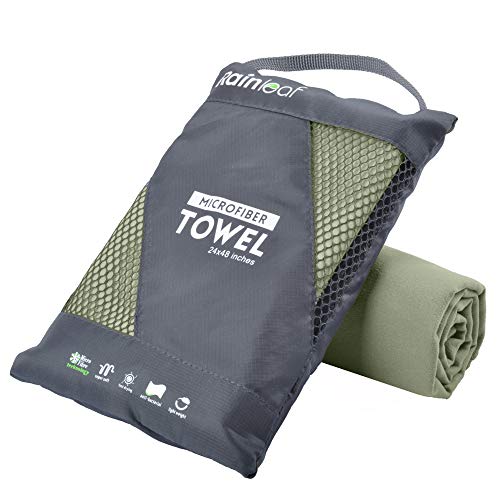
The best camp towel for thru-hiking is a microfiber or chamois blend that weighs under 3 ounces when dry. Prioritize towels with quick-dry capabilities and antimicrobial treatment to prevent odor during multi-day resupply gaps. Avoid cotton entirely; it retains moisture, adds significant dead weight when wet, and takes too long to dry in humid conditions.
Material Science: Microfiber vs. Chamois
The debate between microfiber and chamois is the oldest in ultralight circles, but the practical difference comes down to your climate. Microfiber towels are made of split polyester and polyamide fibers that create capillary action, pulling water away from your skin rapidly. They are incredibly absorbent relative to their weight. However, they can feel "slick" if you don't wring them out thoroughly, and they tend to trap body oils over time, leading to that distinct "old gym bag" smell after a week on the trail.
Chamois towels, often made from a blend of microfiber and chamois cloth, offer a different texture. They are less absorbent than pure microfiber but dry significantly faster because they hold less water volume. For hikers in arid environments like the Mojave or high-altitude sections of the PCT, a chamois towel is superior because it won't stay damp long enough to cause chill at night. In wetter climates like the Pacific Northwest, microfiber's higher absorbency makes it more practical for wiping down mud and rain.
Weight and Packed Volume Analysis
In ultralight hiking, every gram counts, but so does packed volume. A standard cotton washcloth might weigh 50 grams and take up the space of a small apple when wet. A high-quality microfiber camp towel typically weighs between 15 and 30 grams dry. When rolled tightly, it should fit into the palm of your hand or slip easily into a side mesh pocket of your hydration bladder.
When evaluating weight, always look at the dry weight, but consider the "wet penalty." If a towel weighs 20 grams dry but absorbs 150 grams of water and you can't wring it out completely in a windy spot, you are carrying that dead weight for hours. Chamois towels often win here because they release water more readily when squeezed. Test your towel by filling it with water, letting it sit for a minute, and then squeezing it; if more than 20% of the water remains trapped in the fabric, it’s too heavy for serious thru-hiking.
Durability and Trail Wear
Hiking gear must withstand abrasion against rock faces, tree bark, and rough pack interiors. Cheap microfiber towels develop "pilling" quickly, where the fibers break off and clump together, reducing their effectiveness. Higher-quality towels use tighter weaves or bonded edges to prevent fraying. When testing durability, rub the towel vigorously against a rough rock or your own denim-clad leg for 30 seconds. If it sheds lint or feels fuzzy afterward, leave it on the shelf.
Edge finishing is critical. Hemmed edges last longer but add weight and bulk. Heat-sealed or laser-cut edges save grams and prevent fraying but can unravel if snagged on a thorn. For most hikers, a double-stitched hem offers the best balance of durability and packability. Avoid towels with grommets unless you plan to hang them frequently; grommets add unnecessary weight and can tear out in wet conditions.
Hygiene and Odor Management
The biggest failure point for camp towels is not weight or durability, but smell. Microfiber traps bacteria in its microscopic fibers. Without proper care, your towel will smell like sulfur within three days of continuous use. Look for towels treated with antimicrobial agents like silver ions or specialized coatings designed to inhibit bacterial growth. While these add a few dollars to the cost, they extend the usable life of the towel significantly between washes.
Drying is your best defense against odor. A towel that stays damp for more than four hours in direct sun will inevitably develop mildew. In humid environments, consider carrying two smaller towels instead of one large one. This allows you to rotate them, ensuring each has time to dry completely before being packed away. Never pack a damp towel into your sleeping bag or main pack compartment; the moisture will transfer to your insulation and compromise its loft.
Budget vs. Premium Options
You do not need to spend $15 on a camp towel, but you also shouldn't buy the cheapest option available. Budget towels ($3-$5) often use lower-quality fibers that pill quickly and lack antimicrobial treatments. Mid-range options ($8-$12) from reputable outdoor brands offer the best balance of durability and performance. Premium towels ($15+) often focus on brand prestige or ultra-thin materials that are fragile rather than durable.
For budget-conscious hikers, a high-quality microfiber cloth intended for cleaning glasses or cameras can serve as an excellent camp towel. These are often denser, more durable, and cheaper than branded hiking towels. The key is to ensure the material is soft enough for skin contact but dense enough to absorb water effectively. Avoid "waffle weave" cotton blends marketed as ultralight; they are a marketing gimmick that fails in real-world wet conditions.
Frequently Asked Questions
Can I use a bandana instead of a towel?
A bandana is lighter and more versatile, but it lacks the absorbency of microfiber. It works for quick wipes in dry climates but will leave you damp in humid conditions. Use a bandana as a secondary wipe and a dedicated towel for showering or heavy sweat.
How do I dry a camp towel quickly?
Squeeze out excess water, then spread it thin over your trekking pole or hang it in direct sunlight with maximum airflow. Avoid rolling it up while wet. In windy conditions, flapping the towel for 30 seconds can accelerate drying significantly.
Is chamois better than microfiber?
Chamois dries faster and is less prone to odor but absorbs less water. Microfiber is more absorbent but holds onto moisture and odors longer. Choose chamois for dry, hot climates and microfiber for wet, cool climates.
How often should I replace my camp towel?
If the towel no longer absorbs water effectively or develops persistent odors despite washing, it’s time to replace it. With proper care, a quality microfiber towel can last several years of thru-hiking.
Do I need a separate towel for face and body?
One medium-sized towel (approx. 12x12 inches) is sufficient for most hikers. Using two towels doubles your weight and pack volume without adding significant utility unless you are in extreme humidity.
Selecting the right camp towel is a simple decision with outsized impacts on your comfort and base weight. By prioritizing quick-dry materials, antimicrobial treatments, and durable construction, you ensure that this small item supports your journey rather than hindering it. Test your towel in the field before committing to it for a long-distance hike, and always keep it dry when not in use.


