

How To Choose The Right Hiking Rain Pants 2026
By Ryan Caldwell
In the Pacific Northwest and along the long-distance trails, dry pants are not a luxury—they are a survival metric. I have spent thousands of miles in soaked wool and chafing cotton, learning that wet legs drain energy faster than any steep grade. When you are carrying a heavy pack over Class 3 terrain or navigating dense brush with trekking poles, the wrong rain gear can turn a manageable day into a miserable ordeal. Choosing the right pair requires balancing breathability against waterproofness, while keeping weight low enough to justify carrying them in your pack when the sun finally comes out.
Our Top Picks
Affiliate disclosure: if you buy through these links, we may earn a commission at no extra cost to you.

Table of Contents

Quick Answer
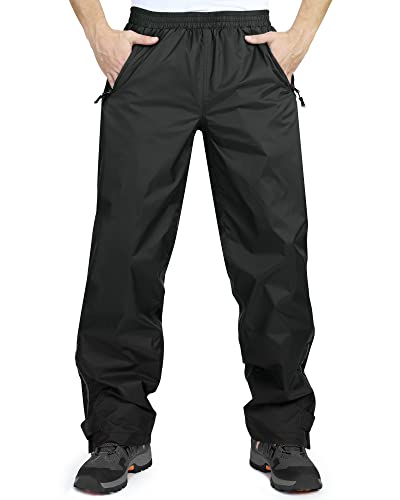
For most thru-hikers and backpackers, side-zip softshell pants offer the best balance of durability, breathability, and weather protection for three-season hiking. If you are facing sustained heavy rain or snow, invest in fully seam-taped hardshell pants with pit zips for ventilation. Avoid cheap, non-breathable plastic ponchos for active use; they will trap sweat and leave you just as wet from the inside as the outside.
The Breathability vs. Waterproofness Trade-off
The biggest mistake hikers make is assuming "waterproof" means "comfortable in rain." It does not. If you are hiking uphill with a loaded backpack, your body generates significant heat. A pair of non-breathable, cheap waterproof pants will act like a sauna suit, condensing your sweat inside until your base layers are soaked. In my experience on the Appalachian Trail, wet from the inside is just as dangerous and uncomfortable as wet from the outside.
You must look at the material construction. Gore-Tex and similar membranes offer excellent waterproofing but can be stuffy during high-output activities like trail running or steep ascents. For moderate exertion, softshell fabrics with Durable Water Repellent (DWR) coatings are superior because they shed light rain while allowing vapor to escape. The key is matching the gear to your heart rate. If you are moving fast, breathability wins. If you are stationary in a downpour, waterproofness wins.
Softshells vs. Hardshells: When to Wear What
Softshell pants are the workhorse of the three-season hiker. They are typically made of nylon or polyester blends with a fuzzy interior for warmth and a tight weave for wind resistance. They handle drizzle, morning dew, and brush well. I prefer softshells when my base layer is synthetic or merino wool, as they allow moisture to escape during long days on the trail. They also double as camp pants once the rain stops, providing warmth without the crinkly noise of plastic.
Hardshell pants, constructed from fully seam-taped nylon with a waterproof membrane, are for extreme conditions. Use these in the Cascades or the Sierras during storm season, or when bushwhacking through wet ferns where water will be driven into your legs by wind. Hardshells are less breathable and heavier, but they guarantee dryness. If you carry hardshells, ensure they have large under-zip vents (pit zips) to dump heat before you start sweating.
Fit, Cut, and Pack Compatibility
Fit is critical when you are wearing a hip belt from a hiking backpack. Many rain pants are cut too narrow at the hips, making them impossible to pull on over your pack or even over bulky base layers. Look for "articulated" knees and gusseted crotches that provide range of motion. If you plan to wear these over insulated pants in winter, size up. A tight fit restricts blood flow and reduces insulation efficiency.
The length of the pant leg matters more than you think. In muddy conditions or when using trekking poles, a standard inseam might drag on the ground, soaking the hem instantly. Consider "long" sizes or pants with adjustable hem cinches. The bottom hem should sit just above your boot cuff to prevent dragging but cover the gap between your boot and pant leg to keep debris out.
Durability and Trail Performance
Ultralight gear is tempting, but thin nylon (denier count below 15D) tears easily on rocky trails or when snagged by branches. For general backpacking, look for pants with a denier of 20D to 40D in high-wear areas like the seat and knees. Some brands use reinforced panels in these spots without adding significant weight. If you are trail running, you might accept lower durability for weight savings, but for multi-day treks with a hammock or tent setup, durability ensures your gear survives the trip.
Zippers are the weak point of any rain pant. Cheap zippers fail in mud and grit. Look for water-resistant zippers or side-zips that allow you to put the pants on over boots without removing them. This is a game-changer when you are tired at camp after a long day of hiking with heavy boots. The ability to slip into dry pants without taking off your socks can save your feet from blisters caused by wet fabric bunching up.
Budget vs. Ultralight Options
You do not need to spend $300 on rain pants. The gap between a $60 budget pair and a $200 ultralight pair is often in the fabric hand-feel, zipper quality, and packability. Budget options from brands like REI Co-op or Marmot offer excellent waterproofing for casual hikers. They are heavier but durable. Ultralight options from brands like Zpacks or Hyperlite Mountain Gear weigh ounces less but may require more careful handling to avoid snags.
For the budget-conscious thru-hiker, consider a pair of durable softshell pants as your primary layer and a cheap, packable rain shell as a backup. This hybrid approach gives you breathability for 90% of the trail and emergency waterproofing for the other 10%. Never rely solely on a $20 poncho for serious weather; it will flap in the wind, tear easily, and offer no leg protection from below.
Frequently Asked Questions
Do I need waterproof pants if I have a rain jacket?
Yes. Rain hits your legs constantly, especially when walking through brush or sitting on wet logs. A rain jacket leaves your lower body exposed to saturation.
Are rain pants necessary for summer hiking?
In dry climates like the Southwest, no. In the Pacific Northwest or during monsoon season in the Rockies, yes. They protect against wind chill and sudden downpours.
How do I prevent rain pants from chafing?
Ensure they are not too tight. Wear a smooth synthetic base layer underneath, and avoid cotton. Some hikers apply anti-chafe balm to the inner thighs before putting them on.
Can I use rain pants as camp pants?
Softshell pants are excellent camp pants because they are warm and quiet. Hardshells are too noisy and can feel clammy if you are not actively sweating.
What is the lightest rain pant option?
Packable nylon shells weighing under 4 ounces exist, but they offer minimal durability. For a balance of weight and function, aim for pants around 8-10 ounces.
Choosing the right rain pants is about understanding your specific environment and activity level. Prioritize breathability for active hiking and waterproofness for stationary or extreme weather. By selecting gear that fits over your pack and layers correctly, you ensure comfort and safety on the trail. Next, check your current gear’s DWR coating and test your fit over your heaviest layers to see if an upgrade is truly needed.


