

How To Choose The Right Water Filters
Water is the heaviest thing you carry on the trail, and running out of it is a nightmare. But carrying enough for every mile without a reliable way to replenish is impossible. Whether you are shelling out $15 or $150, your water treatment system is the only thing standing between you and dysentery. After thousands of miles in the Sierra, the Rockies, and the Pacific Crest, I have learned that the "best" filter isn't about brand loyalty—it is about matching your hydration needs to the terrain and your budget.
Our Top Picks
Affiliate disclosure: if you buy through these links, we may earn a commission at no extra cost to you.

Table of Contents

Quick Answer
Choose a hollow fiber filter (like a squeeze pouch) for ultralight backpacking where water sources are abundant. Opt for a gravity bag system if you are camping with a group or at base camp and want to minimize active effort. Reserve chemical treatment or boiling only for high-altitude alpine zones where freezing temperatures might crack plastic filters, or for international travel where biological contamination risks differ.
The Ultralight Squeeze: Weight vs. Durability
If you are counting every gram, a squeeze filter system is your best friend. These typically consist of a hollow fiber membrane attached to a collapsible reservoir (like a Platypus or Katadyn BeFree). The membrane weighs almost nothing—often under 3 ounces—and allows you to drink directly from the stream while squeezing the bag. This method is incredibly fast and efficient for solo hikers moving quickly.
However, hollow fiber membranes are fragile. If you step on a filter or drop it on a sharp rock, it can crack, rendering it useless until repaired. They also clog faster in silt-heavy water compared to rigid filters. While they handle bacteria and protozoa effectively, most standard squeeze filters do not remove viruses, so you must be careful in developed areas or third-world countries.
Gravity Systems: The Campsite Workhorse
When you stop for the day, active filtration becomes tedious. Gravity systems solve this by using two bags: one dirty and one clean, connected by a filter inline. You hang the dirty bag from a tree branch and let gravity do the work. This is ideal for groups or soloists who want to relax while their water is processed.
The downside? Gravity filters are bulky. The reservoirs take up significant space in your pack, and the tubing can get tangled. They also perform poorly in freezing temperatures because the water inside the lines can freeze and expand, breaking the filter. For winter camping or high-altitude alpine trips, these are risky unless you sleep with them in your sleeping bag.
Pump Filters: When You Need Pressure
Pump filters (like the classic Katadyn Micropump or Sawyer Squeeze used in reverse) use mechanical pressure to force water through a ceramic or hollow fiber element. They are robust, durable, and often capable of removing viruses if equipped with the right cartridge. They are excellent for long-term thru-hikers who need gear that can withstand abuse.
The trade-off is weight and effort. Pumps are heavy and require physical exertion to operate, which can be exhausting after a steep climb. The seals on pumps dry out over time and need regular lubrication with silicone grease to maintain pressure. If you hate the feeling of pumping water, do not buy this system.
Chemical and Thermal: The Backup Plan
No mechanical filter is perfect. I always carry a secondary method, usually iodine tablets or a lightweight alcohol stove for boiling. Chemical treatment is the lightest option (under 1 ounce) and effective against viruses, but it requires a wait time of 30 minutes to 4 hours depending on the product and water temperature.
Boiling is the most reliable method but consumes fuel and time. It is essential if you are in an area with known viral contamination (like parts of South America or Southeast Asia) where standard mechanical filters fail. For most US trails, a good mechanical filter is sufficient, but having chemical tabs as a backup is non-negotiable for safety.
Maintenance and Freezing
The longevity of your water filter depends entirely on how you treat it. Never leave a filter sitting in dirty water; drain it completely after use. In cold weather, keep filters inside your jacket or sleeping bag to prevent freezing. Frozen water expands and shatters the microscopic pores in hollow fiber membranes.
Regular maintenance involves flushing the filter with clean water after every use. If you are using a pump, check the O-rings for cracks. For gravity systems, inspect the tubing for kinks or algae growth. A clogged filter is not just an inconvenience; it forces you to drink less, leading to dehydration and fatigue on the trail.
Frequently Asked Questions
Do I need a filter in areas with only snow?
No. Melting snow provides clean water that does not require filtration. In fact, filtering snow is inefficient and wastes fuel or battery power. Just melt it first.
Can I use a standard household coffee filter with my squeeze system?
Yes, if the water is silty. Pre-filtering through a coffee filter or bandana removes large particulates that would otherwise clog your expensive membrane instantly.
What is the lifespan of a hollow fiber filter?
Manufacturers claim 100,000 liters, but in real-world conditions with silt and biofilm, expect 2-3 years of heavy use before flow rate drops significantly.
Do I need to treat water in the Sierra Nevada?
Yes. Giardia and Cryptosporidium are prevalent in high-altitude lakes and streams, even in pristine wilderness areas. Always filter.
Is a straw filter good for long trips?
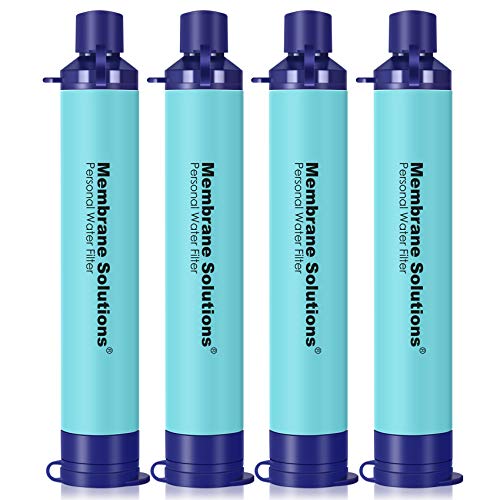
Straw filters (like LifeStraw) are great for emergencies but poor for regular use. You cannot fill a bladder or bottle with them, forcing you to drink directly from the source, which is unhygienic and limits your hydration strategy.
How do I know if my filter is working?
If the flow rate has slowed down by more than 50% despite backflushing, the membrane is likely clogged or damaged. Test it by filtering a known clean water source; if particles remain, replace it.
Choosing the right water filter comes down to your specific hiking style. Ultralight hikers should prioritize squeeze systems for their low weight and packability. Group campers will appreciate the hands-free convenience of gravity bags. Regardless of your choice, remember that hydration is critical for safety and enjoyment on the trail. Test your system before you head out, keep it clean, and never rely on a single method in remote conditions.


