

How To Choose The Right Sleeping Bags 2026
Your sleeping bag is the one piece of gear that defines your comfort when you are lying down for eight hours. I have spent countless nights shivering in a cheap synthetic bag on the Appalachian Trail and sleeping like a baby in a well-chosen down bag in the Sierras. The difference isn't just about warmth; it is about weight, packability, and the peace of mind that comes from knowing your core temperature won't drop when the sun goes down. Choosing the wrong bag can ruin a trip faster than a broken zipper or a leaky tent.
Our Top Picks
Affiliate disclosure: if you buy through these links, we may earn a commission at no extra cost to you.
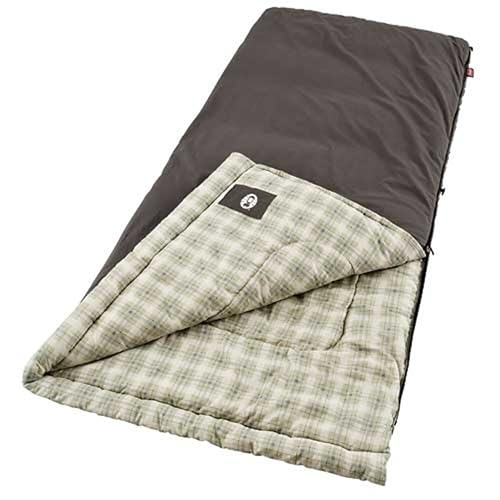
Table of Contents


Quick Answer
To choose the right sleeping bag, match the temperature rating to your local climate's lows, not just the average. Prioritize fill power (650+ for budget, 800+ for ultralight) and insulation type (down for weight savings, synthetic for wet environments). Ensure the bag fits your body size without excess volume to conserve heat, and always pack it in a compression sack unless you are using a hammock.
Understanding Temperature Ratings and the "Comfort Zone"
The EN (European Norm) rating system is the only standardized way to compare bags, but it is often misunderstood. You will see two numbers on most tags: a "Limit" rating and a "Comfort" rating. The Limit rating is what a standard male can survive in without freezing, but he won't be happy. The Comfort rating is what a standard female can sleep in comfortably. If you run cold like I do, always aim for the Comfort rating of the bag to match the lowest expected temperature of your trip.
I have seen too many hikers buy a 20°F bag for a 30°F night and end up burning calories shivering all night. In the mountains, temperatures drop significantly after sunset, and wind chill is a real factor. If you are planning a thru-hike in the Cascades or the Rockies, do not rely on average highs. Look at the historical lows for your specific month. A 0°F bag might feel like overkill in July, but it will save you when October storms hit.
Down vs. Synthetic: The Insulation Debate
This is the first major decision you will make. Down insulation, typically made from duck or goose feathers, offers the best warmth-to-weight ratio available. It compresses incredibly small, making it ideal for long-distance hikers who count every ounce. However, down loses its loft and insulating ability when wet. If you are hiking in the Pacific Northwest or the Great Smoky Mountains where rain is frequent, synthetic insulation is the safer bet.
Synthetic bags are heavier and bulkier, but they retain warmth even when damp and dry much faster. They are also generally more affordable. For desert hiking or the Appalachian Trail in dry summer months, down is king. I carry a 800-fill down bag for my long-distance treks because the weight savings allow me to carry more food and water. But for car camping or wet-weather backpacking, I keep a synthetic bag in the trunk as a reliable backup.
Shape, Fit, and Weight Trade-offs
Mummy bags are the standard for backpacking because they taper at the feet and hood, minimizing the air volume your body has to heat up. Rectangular bags are great for car camping where you want to sprawl out, but they are heavy and inefficient for trail use. When fitting a bag, measure your height and add 2-3 inches for comfort. A bag that is too long forces you to stuff excess fabric into your footbox, creating cold spots.
Width is often overlooked. If you are broad-shouldered or carry weight in your hips, a standard mummy bag might feel restrictive, causing you to tense up and lose heat. Many brands now offer "regular" and "long" fits, but check the shoulder girth measurements. Also, consider the hood design. A drawstring hood that cinches tight around your face is crucial for retaining heat in freezing conditions, but it can be claustrophobic for some.
Budget Options vs. Ultralight Investments
You do not need to spend $500 to get a good sleeping bag, but you do need to understand what you are paying for. Budget synthetic bags ($100-$200) are durable and easy to care for, making them perfect for beginners or weekend warriors who don't mind carrying extra weight. They will last longer with less maintenance than high-end down.
Ultralight down bags ($400-$800+) use high-fill-power goose down (800-950 fill) and exotic shell fabrics like silnylon or eVent to shave off ounces. The weight savings are real—dropping from a 3lb bag to a 1.5lb bag changes how your body feels on mile 20 of the trail. However, these bags require careful handling. A sharp rock or a zipper catch can ruin a $600 bag instantly. If you are new to backpacking, start with a mid-range synthetic or lower-fill down bag to learn how to care for gear before investing in premium ultralight equipment.
Maintenance and Longevity on the Trail
Your sleeping bag's lifespan depends entirely on how you store it. Never leave your down or synthetic bag compressed in its stuff sack for extended periods between trips. The fibers need time to loft back to their original shape. I always keep my bags in a large cotton storage sack in my closet. On the trail, avoid sitting on your bag with dirty boots; ground oils and dirt can degrade the insulation over time.
Cleaning is necessary but should be done sparingly. Wash down bags only when they are visibly soiled or have lost loft, using a front-loading washer and a technical cleaner like NikWax Down Wash. Never use standard detergent. If you spill food or blood on your bag in the field, spot clean it immediately with water and a soft brush. Proper care ensures your bag performs at its rated temperature year after year.
Frequently Asked Questions
Can I use a sleeping bag in a hammock?
Standard sleeping bags are not ideal for hammocks because the bottom insulation gets compressed under your body weight, leaving you cold. Use a hammock-specific quilt or an underquilt designed to insulate from below.
How do I know if my down bag is still good?
If the bag no longer lofted back to its original size after shaking it out, or if it feels cold in areas that should be warm, the down may be clumped or damaged. It likely needs washing or professional reproofing.
Is a liner worth carrying?
Yes. A silk or synthetic liner adds 5-10°F of warmth, keeps your bag clean, and reduces the need for washing, which extends the life of your insulation significantly.
What is the best temperature rating for a four-season bag?
For true four-season use including winter camping, look for bags rated to 0°F or -20°F. These often feature draft tubes, baffled construction, and heavier shell fabrics to withstand snow and wind.
Should I buy a men's or women's bag?
Women's bags are typically cut with extra insulation in the core and feet, and have a narrower shoulder-to-hip taper. If you run cold, a gender-specific bag may perform better than a unisex bag of the same rating.
Conclusion
Choosing the right sleeping bag is about balancing your personal cold tolerance with the weight you are willing to carry and the conditions you expect to face. There is no single "best" bag, only the best bag for your specific trip profile. Start by identifying your lowest expected temperature, then decide if down or synthetic fits your climate needs. Once you have a bag that keeps you warm, you will find that every mile on the trail feels lighter and more enjoyable.


