

How To Choose The Right Portable Water Filters 2026
On the trail, water is the heaviest thing you carry and the most critical for survival. I’ve spent years dragging packs across the PCT, AT, and remote ranges in Patagonia, learning that hydration strategy is just as important as pack weight. Choosing a filtration system isn't about finding the "best" gadget; it's about matching your specific water sources, group size, and tolerance for chemical taste to a device that won’t fail when you’re three days from the trailhead.
Our Top Picks
Affiliate disclosure: if you buy through these links, we may earn a commission at no extra cost to you.

Table of Contents

Quick Answer
For most hikers, a hollow-fiber filter (like the Katadyn BeFree or Platypus GravityWorks) offers the best balance of speed and weight. If you are traveling to regions with high parasite risk like Giardia or Cryptosporidium, prioritize filters certified to NSF 53 or 58 standards for cyst removal. For ultralight backpackers willing to trade time for ounces, chemical purification (Aquamira or tablets) remains the most reliable fail-safe, while gravity systems are non-negotiable for groups of three or more.
Understanding Filtration Technologies
The market is saturated with acronyms, but fundamentally you are choosing between mechanical filtration and chemical treatment. Mechanical filters use physical barriers—usually hollow fibers or ceramic—to trap particles. These work instantly and remove bacteria and protozoa effectively. In my experience on the Appalachian Trail, where water sources are frequent but often silty after rain, a pump-style filter like the MSR MiniWorks EX handles the muck well, though it demands significant arm strength.
Ceramic filters offer excellent durability and can be scrubbed clean with a toothbrush when clogged, making them ideal for long-term thru-hiking where spare parts are unavailable. However, they are heavy and fragile. Hollow-fiber filters, which dominate the modern ultralight market, are incredibly light but vulnerable to freezing. If your filter freezes, the fibers can shatter microscopically, compromising the seal. Always keep hollow-fiber filters inside your sleeping bag at night in alpine environments.
Sizing Your System: Solo vs. Group
The biggest mistake I see hikers make is buying a personal squeeze bottle when they are part of a group. Drinking individually from a filter takes time and breaks the flow of camp setup. For solo travelers, a squeeze bottle like the Platypus GravityWorks Hoser or Katadyn BeFree is unbeatable for its packed weight of under 3 ounces. You can drink directly while moving, which keeps you hydrated without stopping.
If you are hiking with two or more people, switch to a gravity system immediately. A standard 2-liter gravity bag setup weighs roughly 10-12 ounces but allows you to filter water passively while you cook or organize your camp. The flow rate is slower than squeezing, but the labor savings are immense. Look for systems with large-diameter hoses to minimize clogging; fine mesh pre-filters are essential here to keep silt out of the hollow fibers.
Ultralight Strategies and Weight Trade-offs
In 2026, the trend toward sub-ounce hydration continues. For the weight weenie, chemical purification is still king. A bottle of Aquamira Drops weighs nothing and treats gallons of water. The trade-off is taste and time—you must wait 15 minutes for it to work, and iodine can leave a metallic aftertaste that makes drinking difficult when you are parched.
UV purifiers like the SteriPEN offer a middle ground: they kill bacteria, viruses, and protozoa in seconds without altering taste. However, they require batteries (which add weight) and fail if the water is too turbid (cloudy). I recommend UV only for clear alpine streams. If you are filtering glacial melt or muddy river water, the UV light cannot penetrate the particles to kill the pathogens inside them. Always pre-filter cloudy water through a bandana or coffee filter before using UV.
Durability and Maintenance in the Field
Gear failure on the trail is not an inconvenience; it’s a health risk. Pump filters have moving parts that eventually wear out, and O-rings dry out and crack in high heat. Hollow-fiber filters can be kinked or crushed if you sit on your pack while drinking. To extend the life of any mechanical filter, avoid sucking hard on empty fibers, as this can collapse them permanently.
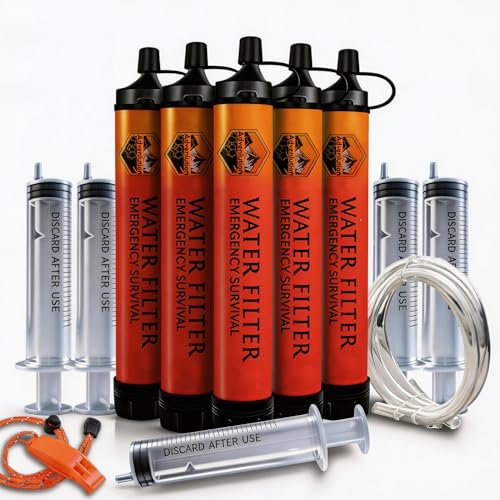
Cleaning is part of durability. Most hollow-fiber filters come with a plunger syringe for backflushing. Use this regularly, even if the flow hasn’t slowed significantly. A proactive flush removes the biofilm building up inside the fibers. If you are using a ceramic filter, simply scrubbing the exterior restores flow instantly. Remember: a clogged filter is useless, so keep your cleaning tools accessible in your pack pocket.
Navigating Chemical vs. Mechanical Options
The decision often comes down to geography. In North America and Europe, Giardia and Cryptosporidium are the primary concerns, and mechanical filters handle these perfectly. However, if you hike in parts of Asia, Africa, or South America, viruses like Hepatitis A are a real risk. Standard backpacking filters do not remove viruses because the pores are too large.
For international travel, use a chemical treatment as your primary method or pair a virus-rated filter (like the Grayl UltraPress) with a backup. Chemical treatments are also superior for emergency reserves. If you find a water source but aren’t sure of its quality, treat it and store it in a clean reservoir. This "insurance policy" ensures you have potable water if your primary filter breaks.
Frequently Asked Questions
Do I need to boil water if I have a filter?
No, not if your filter is certified to NSF standards for cyst removal. Boiling is only necessary if you are unsure of the filter's integrity or if you are in an area with viral contamination and using a standard mechanical filter.
Can I use a water filter with saltwater?
No. Water filters remove pathogens, not salt. You need a desalination pump or reverse osmosis system for seawater, which is heavy and impractical for standard hiking.
How often should I replace my filter cartridge?
Follow the manufacturer's gallon limit (usually 100-400 gallons). However, if flow rate drops significantly even after backflushing, replace it immediately. A clogged filter is a breeding ground for bacteria.
Is a squeeze bottle better than a gravity bag?
Squeeze bottles are lighter and faster for solo hikers. Gravity bags are more efficient for groups because they require no physical effort to operate, though they take up more pack volume.
What is the lightest way to purify water?
Chemical drops or tablets are the lightest option, weighing almost nothing. However, they add time to your routine and can affect taste.
Choosing the right water filter is about balancing weight, speed, and safety for your specific trail conditions. Assess your route’s water sources and parasite risks, then select a system that fits your group size without overburdening your pack. Test your gear at home before hitting the trail to ensure you understand the maintenance routine. Stay hydrated, stay safe, and keep moving.


