

How To Choose The Right Hiking Backpacks
Picking the right hiking backpack isn't just about size or brand; it's about understanding how it complements your pack weight, weather conditions, and trail durability needs. Whether you're weekend-warrior camping or going for a thru-hike, your pack is your primary gear carrier—and making the right choice can dramatically improve your comfort and safety on the trail.
Our Top Picks
Affiliate disclosure: if you buy through these links, we may earn a commission at no extra cost to you.

From ultralight frameless options to sturdy expedition packs, the best backpack aligns with your load, terrain, and budget. I'll guide you through the critical factors to consider so you can select a pack that performs reliably when it counts most.
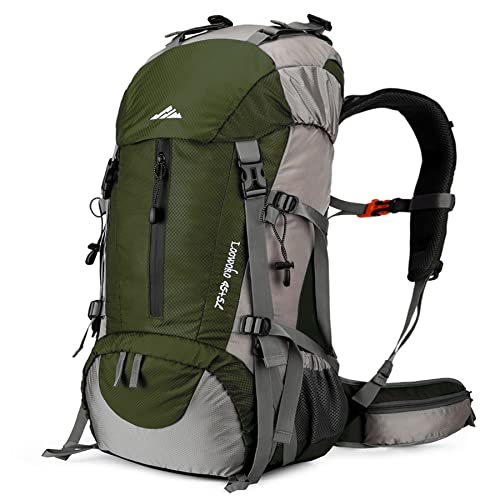
Loowoko 50L Hiking Backpack, Waterproof Camping Essentials Bag with Rain Cover, 45+5 Liter Lightweight Backpacking Back Pack
$44.99Check Price
Table of Contents
Understanding Your Hiking Load
The first step is accurately estimating your pack weight, including gear, food, water, and extra clothing. Light backpackers might aim for total loads under 15 lbs (6.8 kg), while extended trips with extra gear can push 30 lbs (13.6 kg) or more. Knowing your typical load helps narrow down pack capacity—an ultralight 40L pack might be perfect for minimal overnighters, but a 70L or larger becomes essential for longer thru-hikes with 5-7 days of supplies.
Physical comfort hinges on your pack fitting well and distributing weight properly. If your load exceeds 20-25% of your body weight, gear and suspension quality matter even more. Remember, heavier loads demand more supportive frames and harness systems for your back and hips, which will affect overall durability and trail performance.
Sizing and Fit: Getting the Right Dimensions
Backpack sizing starts with torso length—measure from the C7 vertebra down to your iliac crest. Most brands list your size category (small, medium, large), but trying on is the only way to ensure a proper fit. A well-fitted pack should sit snugly on your hips and feel balanced when loaded, avoiding excessive pressure points or sway.
Many ultralight packs forgo heavy frames and feature adjustable systems for weight reduction, but they still need a good fit. Respect the manufacturer's sizing guide AND try on packs loaded with a few pounds of weight. Don't forget to consider weather conditions; a rain cover and ventilation are critical in humid climates or winter conditions to prevent overheating and moisture buildup.
Weight and Durability Trade-offs
Ultralight backpacks often forgo rigid frames, using durable Dyneema composite fabrics (like Cuben Fiber) to save grams—some come in below 1 lb (450g). These are great for minimal load days or fast-and-light solo trips but may lack durability for rugged terrain or frequent use.
On the flip side, heavier packs with sturdy frames (aluminum stays, robust fabrics like 600D nylon) excel in trail durability, especially when hauling heavier loads or rugged terrain like scree fields or overgrown routes. These packs can weigh 2-3 lbs (900-1350g) but ensure your gear stays protected and the pack retains its integrity after miles of abuse.
Features to Prioritize for Trail Testing
Key features depend on your trip length and conditions. For long-distance thru-hikes, look for a pack with accessible side pockets, a ventilated back panel, a hydration sleeve, and simple but effective compression straps. Lightweight, waterproof zippers and durable fabric patches are essential for longevity in wet environments.
For shorter or dry-weather trips, you can opt for minimalist designs that trim weight and focus on core functionality. Keep an eye out for gear loops, lashing points, and a sturdy hip belt—these facilitate organizing your gear for quick access and evenly distributing load.
Budget vs. Ultralight Options
Budget backpacks often hit the sweet spot of durability and affordability, with weights around 2-3 lbs (900-1350g). Brands like Osprey, Gregory, or REI Co-op offer reliable models for under $150, which hold up well over multiple seasons.
Ultralight packs typically lean into high-tech fabrics and minimalist designs, starting around 1 lb (450g) and going below 8 oz (226g) for minimalist frameless models. They’re ideal for fast hikes or summer trips but generally lack padding or extensive reinforcements. Sometimes, you pay a premium for advanced materials like Dyneema—so weigh your need for durability against weight savings and price.
Final Tips for Testing and Choosing Your Pack
Once you've narrowed down a few models, test them in real outdoor conditions. Stuff your pack with your typical gear, weigh it, and go for a walk or a day hike. Pay attention to how it distributes weight, the comfort of the shoulder straps, the hip belt stability, and ventilation. Remember, a pack's performance on-paper can differ from how it feels after several hours under load.
Don't rush the decision; a properly fitted, durable, and lightweight pack makes all the difference over thousands of trail miles. Be mindful of weather performance—look for ripstop, waterproof fabrics, and reliable zippers. Your ultimate choice should balance weight, durability, and comfort within your budget, so you can focus on the trail ahead rather than your gear.
Next step? Head to a local outfitter or outdoor retailer and try on different models loaded with your gear (or simulative weights). Trust your gut and your testing—your next adventure depends on it.
Frequently Asked Questions
What's the ideal pack capacity for a 3-day weekend trip?
Typically, a 40-50L pack is sufficient for food, gear, and clothing, keeping weight manageable and comfort high.
How important is frame type in choosing a backpack?
Frames provide structure and load support. Rigid frames are better for heavy loads and rugged terrain, while frameless packs save weight but are suitable for lighter loads.
Can I switch between ultralight and traditional packs?
Yes, but ensure your gear and load sizes align. Ultralight packs often lack padding and support needed for heavier loads, so adapt accordingly.
How do I maintain my backpack for longevity?
Clean with mild soap, repair small tears early, and store in a dry place. Rotating between multiple packs can also extend the life of each.
Are hydration-compatible packs worth it?
Absolutely—hydration sleeves and ports facilitate easy water access, reducing weight carried in your hands and improving hydration habits over long miles.
What features should I prioritize if I hike in rain and variable weather?
Seek waterproof fabrics, rain covers, high-quality zippers, and ventilated back panels to keep gear dry and prevent overheating.
Choosing the right hiking backpack is a balance of understanding your load, fitting properly, considering weight versus durability, and matching features to your trip profile. Spend time testing different options and keep your trail needs front and center—your comfort, safety, and enjoyment depend on it.


