

How To Choose The Right Backpacking Trowels 2026
A dedicated titanium trowel is the gold standard for thru-hikers because it balances minimal weight with sufficient durability to dig in rocky alpine soil. For budget-conscious hikers, a sturdy plastic spork or even a flat rock works perfectly fine for soft forest loam. Regardless of material, prioritize a design that allows you to sit comfortably while digging your cathole 200 feet from water sources.
Our Top Picks
Affiliate disclosure: if you buy through these links, we may earn a commission at no extra cost to you.
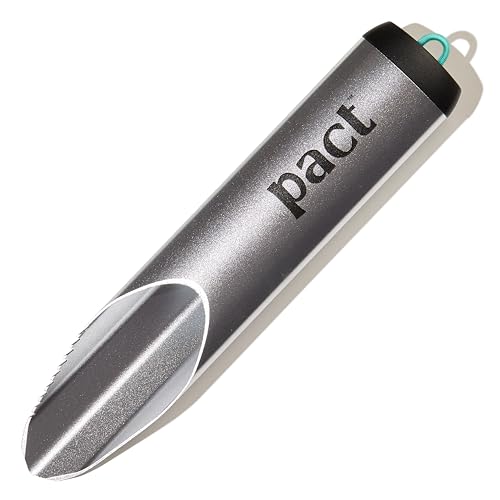
Table of Contents


Quick Answer
The Case for Dedicated Tools vs. Multi-tools
When you are carrying a 40-liter pack over long distances, every ounce counts, but so does function. Many hikers argue that a dedicated trowel is unnecessary bloat when a multi-tool or even a trekking pole can do the job. However, from my experience on the Pacific Crest Trail and the Appalachian Trail, dedicated digging tools offer a specific ergonomic advantage. A well-designed trowel allows you to sit comfortably on your pack while digging, whereas using a knife or spork often requires awkward kneeling positions that wear out your knees faster than the hike itself.
The primary argument against a dedicated tool is weight and bulk. If you are ultralight packing, adding a 30-gram titanium trowel might feel like too much dead weight. In these cases, relying on natural objects or multi-tools is a valid strategy. However, if you are hiking in rocky terrain where a knife blade will chip or break against granite, a dedicated digging tool becomes essential for hygiene and environmental protection. It is not about luxury; it is about having the right tool for the specific job of waste management.
Material Matters: Titanium, Plastic, and Stone
The material of your trowel dictates its performance in different weather conditions and terrains. Titanium is the favorite among serious thru-hikers because it is incredibly strong yet feather-light. It resists corrosion from urine and feces, which can eat away at cheaper metals or plastics over time. A titanium trowel will last a decade of hiking without losing its edge or structural integrity, making it a cost-per-trail-mile investment that pays off.
Plastic trowels are the budget-friendly alternative. They are cheap, lightweight, and easy to clean. However, they lack the rigidity of metal. In hard-packed dirt or rocky soil, plastic can flex or snap under pressure. If you opt for plastic, look for reinforced designs with thick edges. For those on a strict zero-waste budget, nature provides its own tools. A smooth, flat stone is free, weighs nothing, and leaves no trace when you leave it behind after use.
Weight, Packed Size, and Durability
When evaluating a trowel for your pack, consider how it fits into your existing kit. Most dedicated trowels are small enough to clip onto the exterior of your backpack using a carabiner or a dedicated loop. This keeps them accessible without taking up internal volume needed for your sleeping bag or food canister. A typical titanium trowel weighs between 15 and 30 grams, which is negligible compared to the weight of your water filter or tent stakes.
Durability is often overlooked in gear selection, but it is critical for a tool that interacts with abrasive soil. Cheap aluminum trowels can bend easily, rendering them useless in hard ground. High-quality titanium or hardened steel will maintain its shape even when prying at roots or breaking up clods of dirt. Check the handle design; a looped end allows you to attach a paracord lanyard, preventing loss in muddy conditions or when crossing streams.
Technique Over Gear: Digging Your Cathole
No matter how expensive your trowel is, its effectiveness depends entirely on your technique. The goal is to dig a cathole 6 to 8 inches deep in organic soil. This depth ensures that waste decomposes quickly and does not surface later or attract animals. In alpine zones where the topsoil is thin, you may need to dig deeper into the mineral layer, which requires more effort and a sturdier tool.
Always be mindful of your surroundings when digging. Use your trowel to clear away surface vegetation carefully, placing it aside to replace later. This minimizes the visual impact of your latrine site. If you are hiking in areas with strict Leave No Trace requirements, such as high-traffic alpine zones, you may need to pack out your waste using wag bags instead of digging. Always check local regulations before relying on a trowel alone.
Leave No Trace Ethics for the Trail
Choosing the right tool is only half the equation; ethical disposal is the other. The primary purpose of carrying a trowel is to protect water sources and prevent the spread of pathogens like Giardia. By digging deep catholes, you ensure that waste decomposes naturally and does not contaminate nearby streams or lakes. This is crucial for maintaining water quality for downstream hikers and wildlife.
Furthermore, proper use of a trowel helps preserve the aesthetic experience for others. A well-dug and covered latrine site is virtually invisible, whereas shallow holes or exposed waste are disrespectful to fellow trail users. Always cover your cathole thoroughly with the original soil and disguise it with natural materials like leaves or pine needles. This returns the site to its natural state and minimizes the "human" footprint on the trail.
Frequently Asked Questions
Do I really need a trowel if I have a multi-tool?
A multi-tool can work in a pinch, but dedicated trowels are more ergonomic and durable for digging. Knives can break against rocks, while trowels are designed specifically for soil penetration.
How deep should my cathole be?
In most forested areas, a cathole 6 to 8 inches deep is sufficient. In alpine or rocky terrain where soil is thin, dig as deep as possible into the organic layer.
Is titanium better than plastic for trowels?
Titanium is superior in durability and weight-to-strength ratio. Plastic is cheaper but can snap in hard ground. For long-distance hiking, titanium is worth the investment.
Can I use a stick to dig my cathole?
A stick works in soft soil, but it is less effective in rocky or compacted ground and can damage your hands. A dedicated tool provides better leverage and hygiene.
What should I do if there is no soil to dig?
If you are in a rocky alpine zone where digging is impossible, you must pack out your waste using wag bags or follow specific local regulations for waste disposal.
Choosing the right backpacking trowel comes down to balancing weight, durability, and personal hiking style. For most thru-hikers, a lightweight titanium trowel offers the best combination of performance and longevity. However, whether you choose metal, plastic, or a rock, the most important factor is consistent use. Proper waste management protects our trails and ensures that the wilderness remains pristine for future hikers. Start your next hike by checking your pack for this small but essential tool.


