

How To Choose The Right Backpacking Stuff Sacks 2026
By Ryan Caldwell
We spend thousands of hours obsessing over the gram-count of our sleeping bags and the denier of our tent flys, yet we often leave our internal organization to chance. A stuff sack isn't just a bag; it is the structural integrity of your pack, the first line of defense against rain-soaked clothes, and the key to maintaining morale when you are three days into a wet section of the PCT. Choosing the wrong one means wrestling with damp gear at camp or losing track of your headlamp in the dark.
Our Top Picks
Affiliate disclosure: if you buy through these links, we may earn a commission at no extra cost to you.

Table of Contents

Quick Answer
To choose the right stuff sacks, prioritize waterproofness over weight for your critical layers (sleeping bag and down jacket) and use durable, abrasion-resistant fabrics for your base layer. Select sizes that match the compression ratio of your gear rather than just volume, and opt for color-coded or transparent materials to speed up camp setup. The best system combines a few heavy-duty dry sacks for weather protection with lightweight mesh bags for organization.
The Weight vs. Durability Trade-off
In the ultralight community, we often chase zero-weight solutions, but stuff sacks are one area where "cheap and light" can cost you dearly on the trail. A 10-gram polyethylene bag might save ounces in your pack, but it will shred against the rough fabric of your backpack's interior or tear when you compress your sleeping bag too tightly. Conversely, heavy-duty canvas or thick nylon sacks add unnecessary bulk that slows you down.
The sweet spot lies in mid-weight fabrics that offer a balance of packability and tear resistance. When evaluating sacks, look for denier ratings between 10D and 20D for general use. This thickness provides enough durability to survive the abrasion of a 40-pound load without adding the significant weight penalty of expedition-grade gear. Always check the seam construction; welded seams are lighter and more waterproof than stitched seams, which require needle holes that can leak.
Material Matters: Silnylon, Dyneema, and TPU
The fabric choice dictates how your gear performs in wet conditions and how long the sack will last. Silicone-coated nylon (silnylon) is the gold standard for durability and packability. It is soft, folds down tiny, and handles compression well. However, silnylon can be slippery, making it hard to keep items from sliding out if you don't use a drawstring closure.
For those willing to pay a premium, Dyneema Composite Fabric (DCF) offers incredible strength-to-weight ratios and is inherently waterproof without coatings. It is stiff and expensive, so it is best reserved for critical gear like your sleeping bag or down layers. Thermoplastic Polyurethane (TPU) laminates are another excellent option; they are generally more puncture-resistant than silnylon and don't suffer from delamination issues over time, though they can be slightly heavier.
Compression vs. Dry Sacks: Knowing the Difference
Confusion between compression sacks and dry sacks is common, but understanding the distinction is vital for pack efficiency. Compression sacks use straps to squeeze air out of your sleeping bag or clothes, reducing volume. They are essential if you have a large internal frame pack with limited capacity. Dry sacks, on the other hand, focus on keeping water out using roll-top closures and waterproof materials.
In 2026, the trend is shifting toward "hybrid" sacks that offer both features. These allow you to protect your down insulation from rain while simultaneously compressing it to save space. However, be wary of cheap compression sacks that lack waterproof zippers or roll-tops; they will keep your bag dry in light drizzle but fail completely in a sustained storm. For base layers and non-critical items, standard dry sacks are sufficient.
The Ultralight Organization System
A well-organized pack saves time and mental energy. Instead of buying a single massive sack, adopt a modular approach. I recommend a three-bag system: one large waterproof sack for your sleeping bag and camp clothes, one medium sack for kitchen gear, and several small mesh bags for small items like socks, gloves, and toiletries.
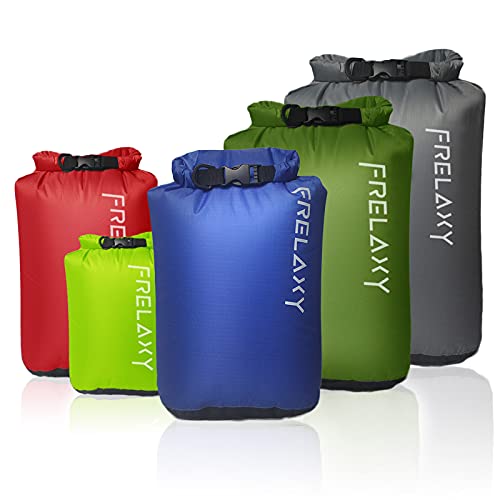
Mesh bags are crucial for ventilation. Wet socks or damp underwear can mildew if packed tightly in a non-breathable bag. Using mesh allows moisture to escape during the day while keeping your gear contained at night. Color-coding your sacks—red for kitchen, blue for clothing, green for electronics—allows you to grab exactly what you need in the dark without unpacking your entire load.
Weather Performance and Pack Integrity
Your backpack's built-in rain cover is a backup, not a primary solution. In heavy downpours, water will eventually wick through zippers and seams. Your stuff sacks are your true weather defense. If you use a pack with a top-loading design, ensure your main sleeping bag sack has a roll-top closure that can be tucked under the pack's shoulder straps to prevent water ingress.
For side pockets, use smaller, durable dry sacks for items like maps, phones, and snacks. These areas are prone to splashing from stream crossings. A simple 1-liter waterproof pouch is often enough to keep your navigation tools safe. Remember that cold weather reduces the elasticity of many plastics, so roll-top closures may become stiffer in winter conditions; practice rolling them tightly before you hit the trail.
Budget-Friendly Alternatives
You do not need to spend $50 on a set of branded Dyneema sacks. High-quality alternatives exist at a fraction of the cost. Heavy-duty Ziploc bags (like freezer bags) are surprisingly durable and completely waterproof for short trips or as liners. For longer treks, consider unbranded silicone-coated nylon sacks from outdoor supply outlets.
Another budget-friendly hack is to repurpose empty food packaging. Hard-sided containers like Pringles cans make excellent stuff sacks for sleeping pads or fragile items. While not as packable as soft sacks, they offer rigid protection and are free. The goal is functionality, not brand loyalty. If a $5 sack does the job and lasts three seasons, it is a better value than a $40 sack that sits in your closet.
Frequently Asked Questions
Do I really need waterproof stuff sacks if my pack has a rain cover?
Yes. Rain covers fail at zippers and seams during heavy storms. Your sleeping bag must stay dry to maintain its loft and warmth, so a waterproof sack is non-negotiable for critical insulation.
What size stuff sacks do I need for a 3-season tent?
A standard 2-person tent usually fits into a 10-15 liter compression sack. Always check the packed dimensions of your tent and compare them to the sack's length and width, not just volume.
Are mesh bags better than plastic for organizing clothes?
Yes, for clothing. Mesh allows moisture to evaporate from damp items like socks or rain gear, preventing mildew and odors. Use plastic only for items that must stay dry.
How do I prevent my sleeping bag from getting wet inside the sack?
Never put a damp sleeping bag directly into its compression sack. Hang it to dry in your tent before packing it away. Use a separate waterproof liner bag inside the compression sack for added security.
Can I use grocery bags as stuff sacks?
Only for very short trips or as temporary liners. Grocery bags tear easily under the weight of heavy gear and offer no abrasion resistance. They are not suitable for long-distance hiking.
What is the lightest stuff sack option?
The lightest options are 10D silnylon sacks or Dyneema mini-sacks, weighing as little as 1-2 ounces. However, they require careful handling to avoid punctures.
Conclusion
Choosing the right stuff sacks is about balancing weight, durability, and weather protection. By selecting mid-weight silnylon for general use, reserving Dyneema for critical insulation, and utilizing mesh for organization, you can create a system that keeps your gear dry and accessible without adding unnecessary bulk. Start by auditing your current pack's weak points—likely wet clothes or lost small items—and replace those specific gaps with the right type of sack. Your future self, shivering in a rainstorm at mile 50, will thank you.


