

How To Choose The Right Backpacking Pillows 2026
Choose a backpacking pillow based on the weight-to-warmth ratio that fits your current pack load. If you are running ultralight (under 10 lbs), opt for an inflatable microfoam or ultra-thin inflatable pillow weighing under 3 oz. For comfort-focused trips or cold weather camping, a self-inflating foam pillow offers superior warmth and durability at the cost of bulk. Avoid cheap closed-cell foam blocks unless you are on a strict zero-dollar budget; they offer poor support for their weight.
Our Top Picks
Affiliate disclosure: if you buy through these links, we may earn a commission at no extra cost to you.
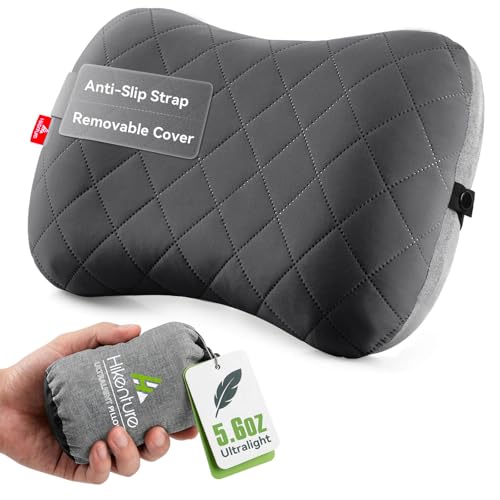
Table of Contents

Quick Answer
The Weight vs. Comfort Trade-off
On the trail, every ounce counts, but so does your sleep quality. A good night's sleep dictates whether you hike another day with fresh legs or spend it nursing blisters and a headache. When selecting a pillow, you are essentially balancing three variables: weight, packed volume, and comfort. The "right" pillow is the one that gives you the most comfort per ounce for your specific trip style.
If you are doing a fast-and-light thru-hike where every gram matters, you might sacrifice some plushness for an ultralight inflatable option. However, if you are car camping or carrying a heavier load with more padding in your sleeping bag, you have the luxury of opting for a bulkier, softer pillow. Always consider your sleeping system as a whole; a high-loft down sleeping bag compresses significantly, leaving little room for a bulky pillow inside your pack.
Material Matters: Inflatable vs. Foam
The two main categories of backpacking pillows are inflatable and foam-based. Inflatable pillows range from ultra-thin vinyl sheets to structured designs with internal baffles. They offer the best weight-to-volume ratio, packing down to the size of a soda can or smaller. However, they often feel cold against your neck and can be noisy if you move around in your sleep.
Foam pillows, particularly those made from closed-cell foam or self-inflating materials, are the workhorses of the trail. They are durable, require no inflation (just unroll), and provide consistent support regardless of altitude or temperature changes. The downside is their packed size; even high-quality foam pillows take up significant space in your pack, which can be problematic if you are trying to fit a tent, stove, and food bag alongside it.
Packing Efficiency and Stuff Sacks
Packed weight is only half the equation; packed volume is equally critical. A pillow that weighs 2 ounces but takes up a quarter of your pack's internal volume will force you to compress your sleeping bag or food, potentially ruining their performance. Always check the "packed size" specifications when comparing gear.
Many modern pillows come with integrated stuff sacks that double as the pillowcase. This is a smart design choice because it protects the valve from punctures by sharp branches or zippers and keeps the interior clean from trail dust. If your pillow does not have an integrated sack, ensure you have a dedicated compression bag for it to keep your pack organized.
Cold Weather Performance
In cold weather camping, heat loss through your head and neck is significant. An inflatable pillow with a thin plastic shell can feel like an ice pack against your cheek in sub-freezing temperatures. If you frequently camp in winter or high-altitude environments, consider a pillow with a fleece cover or one made from thicker, insulated materials.
Alternatively, use a buff or neck gaiter as a barrier between your skin and the pillow. This simple trick can add warmth without adding any weight to your pack. For extreme cold, a small self-inflating foam pad placed under your head inside your sleeping bag can provide both insulation and support, though it sacrifices comfort for thermal efficiency.
Durability in the Real World
Trail durability is often overlooked until it is too late. Inflatable pillows are prone to punctures from thorns, sharp rocks, or even the zipper of your sleeping bag. If you choose an inflatable model, check if it comes with a repair kit and test the valve mechanism for leaks before your trip.
Foam pillows are virtually indestructible but can degrade over time if exposed to direct sunlight for extended periods. They also retain moisture if they get wet, so always dry them thoroughly after cleaning. For most hikers, a mid-range inflatable pillow with a reinforced valve offers the best balance of durability and weight savings.
Frequently Asked Questions
Do I really need a backpacking pillow?
Yes. Sleeping on your pack or a rock can cause neck strain and poor sleep quality, affecting your hiking performance the next day. Even a small pillow makes a significant difference in comfort.
Can I use my stuff sack as a pillow?
You can stuff your jacket or dry bag with clothes to create a makeshift pillow. This is a common ultralight hack, but it often lacks the support of a dedicated pillow and can compress too much during the night.
How do I prevent my inflatable pillow from leaking?
Always check the valve before each trip. Store the pillow with the valve slightly open to relieve pressure on the seal, and keep it away from sharp objects in your pack.
What is the lightest backpacking pillow?
The lightest options are ultra-thin inflatable pillows made from TPU or vinyl, weighing as little as 1-2 ounces. However, they offer minimal comfort and warmth compared to slightly heavier alternatives.
Are self-inflating pillows worth the weight?
They are worth it if you prioritize convenience and durability over weight. They require no pumping and are less likely to leak, but they add bulk to your pack that ultralight hikers may not want.
Conclusion
Choosing the right backpacking pillow comes down to understanding your personal comfort needs versus your weight budget. There is no single "best" pillow for everyone, but by considering factors like packed size, material durability, and thermal performance, you can make an informed decision that enhances your trail experience. Start with a lightweight inflatable if you are new to ultralight hiking, and upgrade to a more supportive model as you learn what works best for your sleep style.
Next Step: Test your current pillow setup on a weekend trip before committing to expensive gear. Pay attention to how it packs in your specific backpack and how comfortable it feels after a long day of hiking.


